


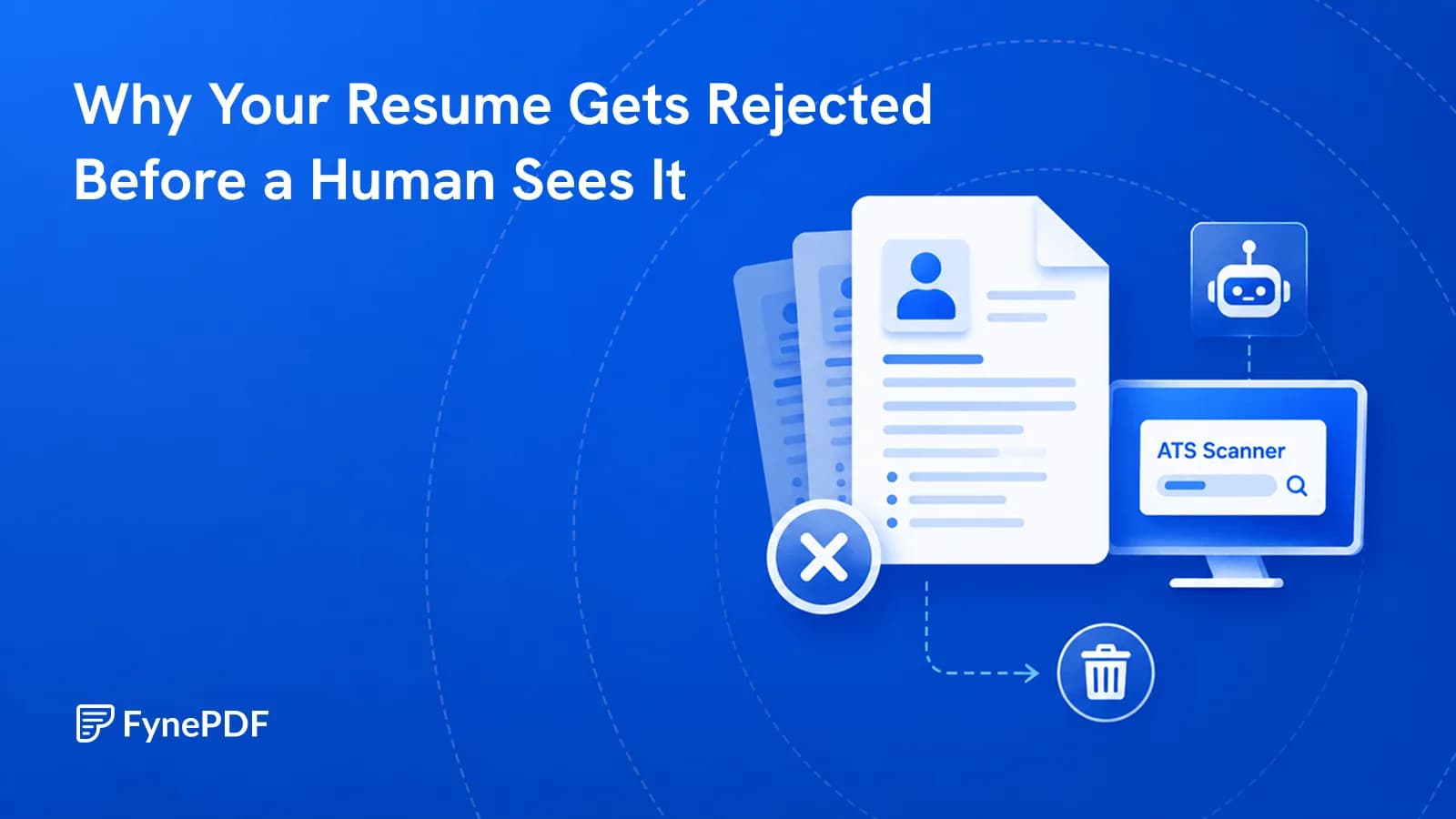
Why Your Resume Gets Rejected Before a Human Sees It
Applicant tracking systems parse your file first. Size, layout, and scans are why it fails.

28 July 2026
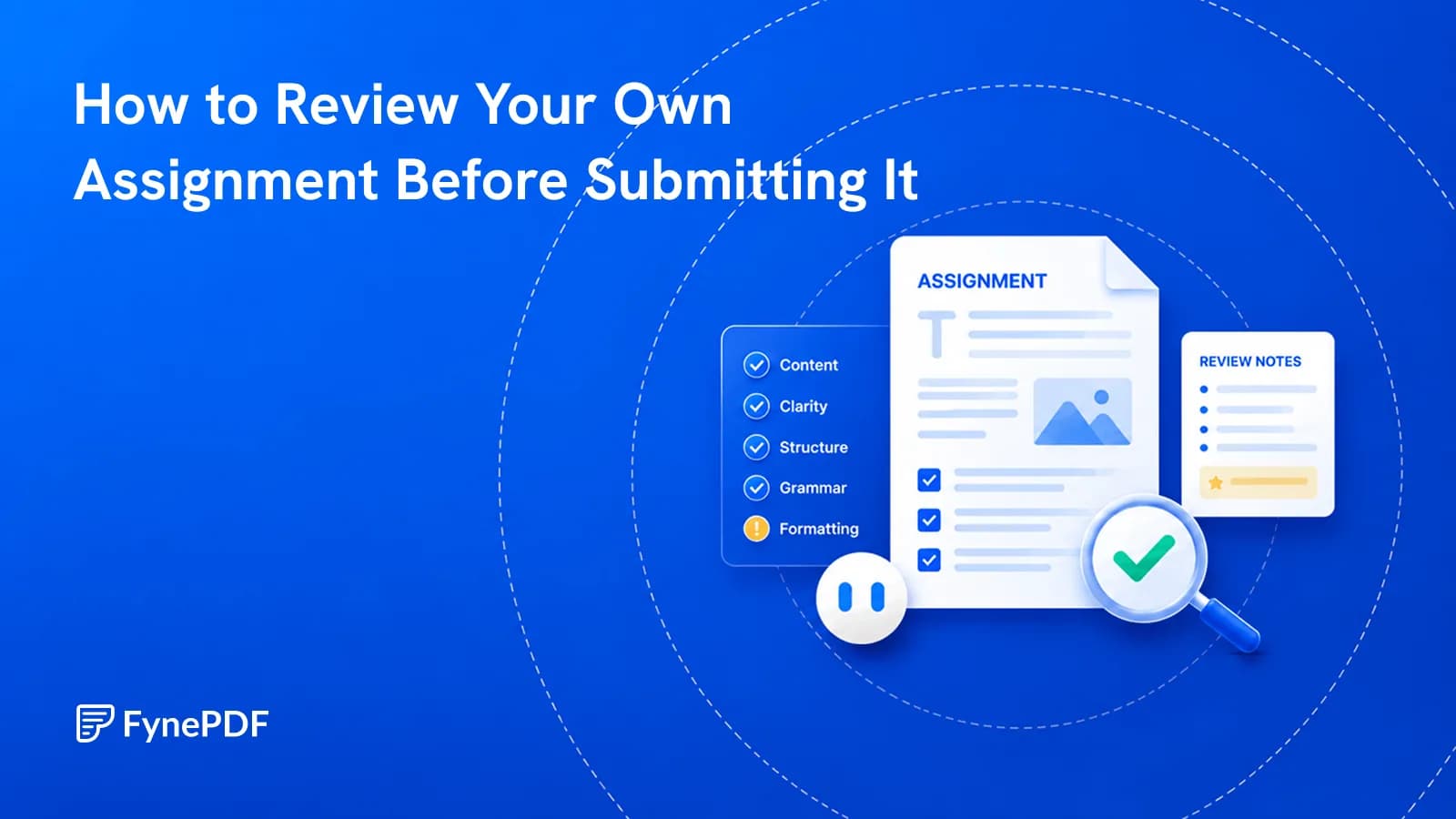
Most lost marks go to criteria you didn't answer, not to writing that wasn't good enough.
Most marks lost on assignments go to requirements that were never addressed rather than to poor writing. A brief asks you to evaluate and you described. It asks for three case studies and you gave two. Checking your draft against the criteria catches these while there is still time to fix them.
This helps you review your own work. It does not write it, and submitting generated work as your own is misconduct at every institution.
The pattern is consistent across disciplines:
Unaddressed criteria. The brief lists what will be assessed, and a section quietly gets skipped during drafting.
Wrong verb. "Analyse" and "describe" require different things. Describing thoroughly when asked to analyse loses marks regardless of quality.
Structure that doesn't follow the brief. If the criteria are weighted, a marker looking for a section they cannot find awards nothing for it.
Word count. Over the limit is penalised at most institutions. Substantially under usually means something is missing.
Unsupported claims. Assertions in the argument with no citation behind them.
Conclusion introducing new material, which suggests the argument was still developing when you ran out of time.
Free accounts get 10 interactions and files up to 15MB.
Have the brief and the marking rubric in front of you while you read the feedback. Generic advice about clarity is much less useful than checking whether you actually did what was asked.
Worth being direct, because the distinction matters for your degree:
| Reasonable | Misconduct |
|---|---|
| Feedback on work you wrote | Generating the work |
| Checking criteria are addressed | Having it write sections |
| Identifying unclear passages | Submitting output as your own |
| Finding unsupported claims | Rewriting your text wholesale |
Institutional policies vary and some are stricter than others. If your course has rules on AI assistance, those govern, and "I used a tool for feedback" is only a defence if the policy allows it. Check before you rely on it.
The useful frame is that this should function like a friend reading your draft: they point out that section three does not answer the question, and you fix it.
Triage it. Not every suggestion is worth acting on, and some will be wrong about what your brief requires because the tool has your draft and not the full context of your course.
Priority order that tends to work:
Then run a separate pass on references with the APA Citation Checker, since citation errors are mechanical and quick to fix once identified.
Check the requirements before converting. Many institutions specify PDF, a maximum file size, and a filename convention, and a submission rejected on format is as late as one not written.
If you need to produce a PDF from your document, Word to PDF handles it, and check the page count afterwards since reflow can change it. If your file exceeds the portal limit, Compress PDF will reduce it, usually by targeting images.
No, and be sceptical of anything claiming to. Marking involves a person applying a rubric with disciplinary judgement, and the same work marked by two people can differ.
It can tell you whether your argument is clearly expressed and supported by what you cited. Whether it is a strong argument in your field is a question for your tutor, and asking them is both more reliable and free.
A near-final draft. Structural feedback on something still forming is not very useful, and you want time left to act on what it finds.
Files transfer over encrypted connections and are permanently deleted within 15 minutes of processing unless you save them to your library.
Upload it to the Assignment Review agent with your brief beside you, and fix the missing criteria first.
Try it yourself
Applicant tracking systems parse your file first. Size, layout, and scans are why it fails.
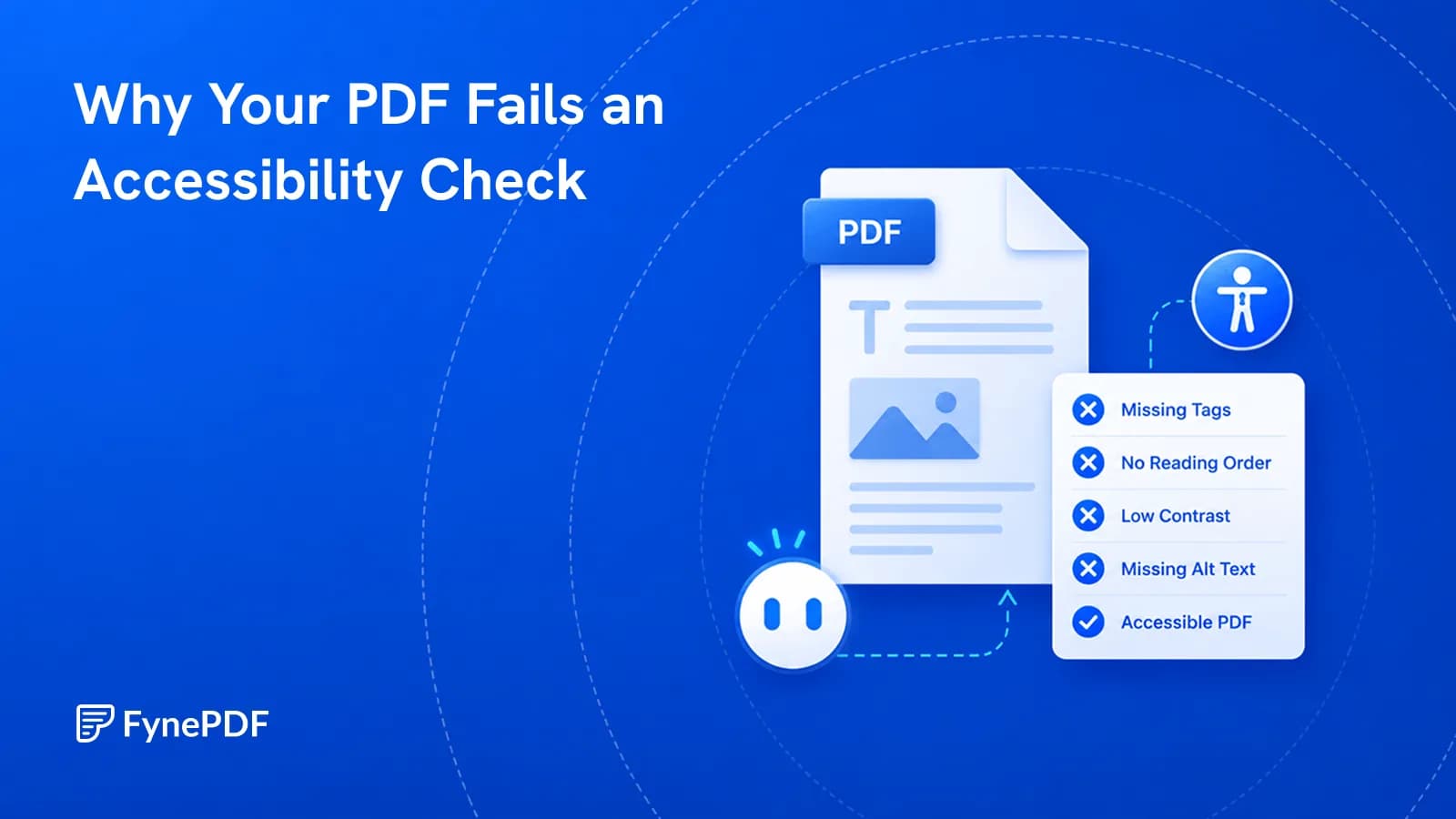
A PDF that looks fine can be unreadable with a screen reader. Here's what's missing.
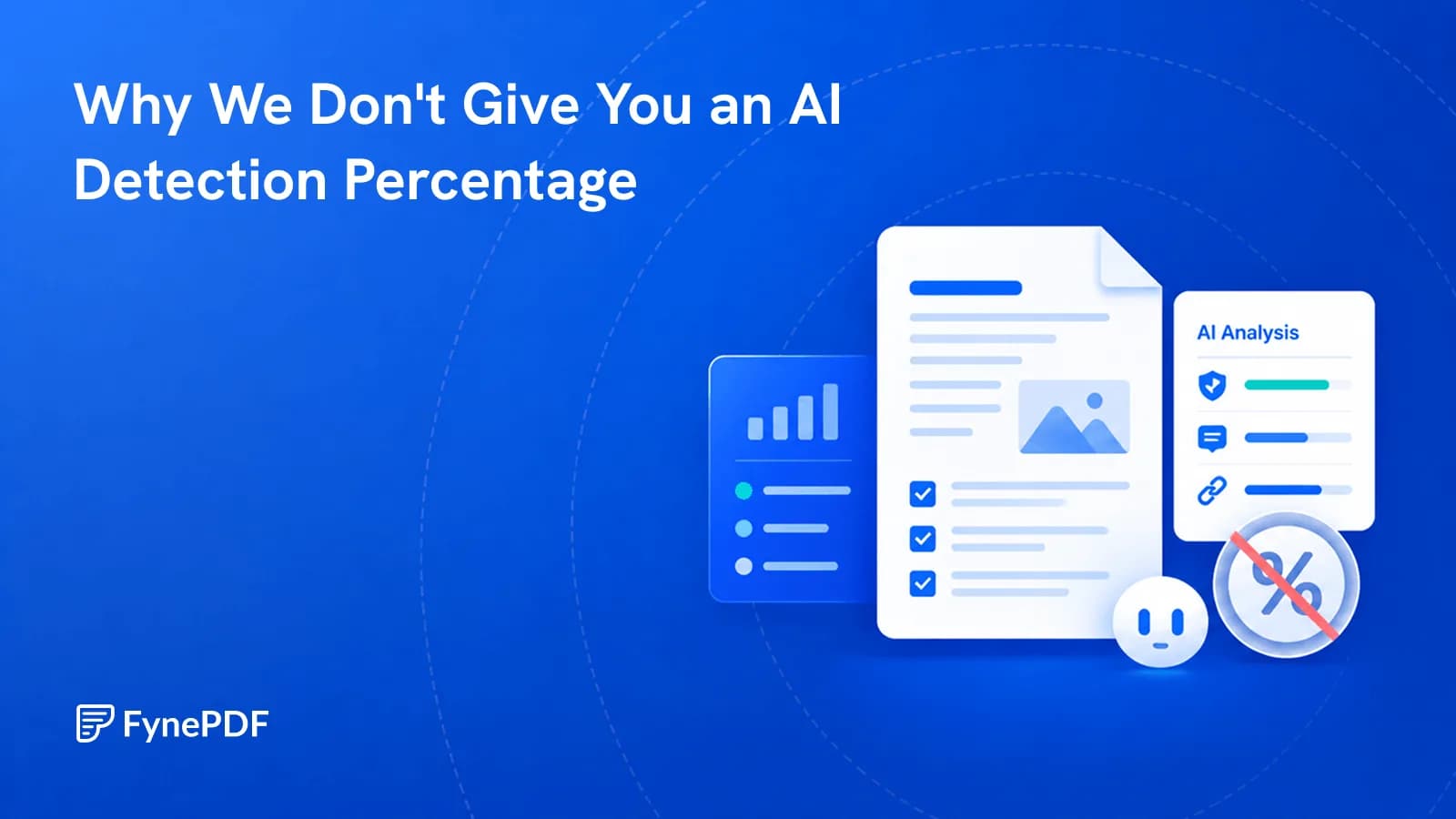
Percentages get treated as proof and used against people. We tell you what we found instead.