


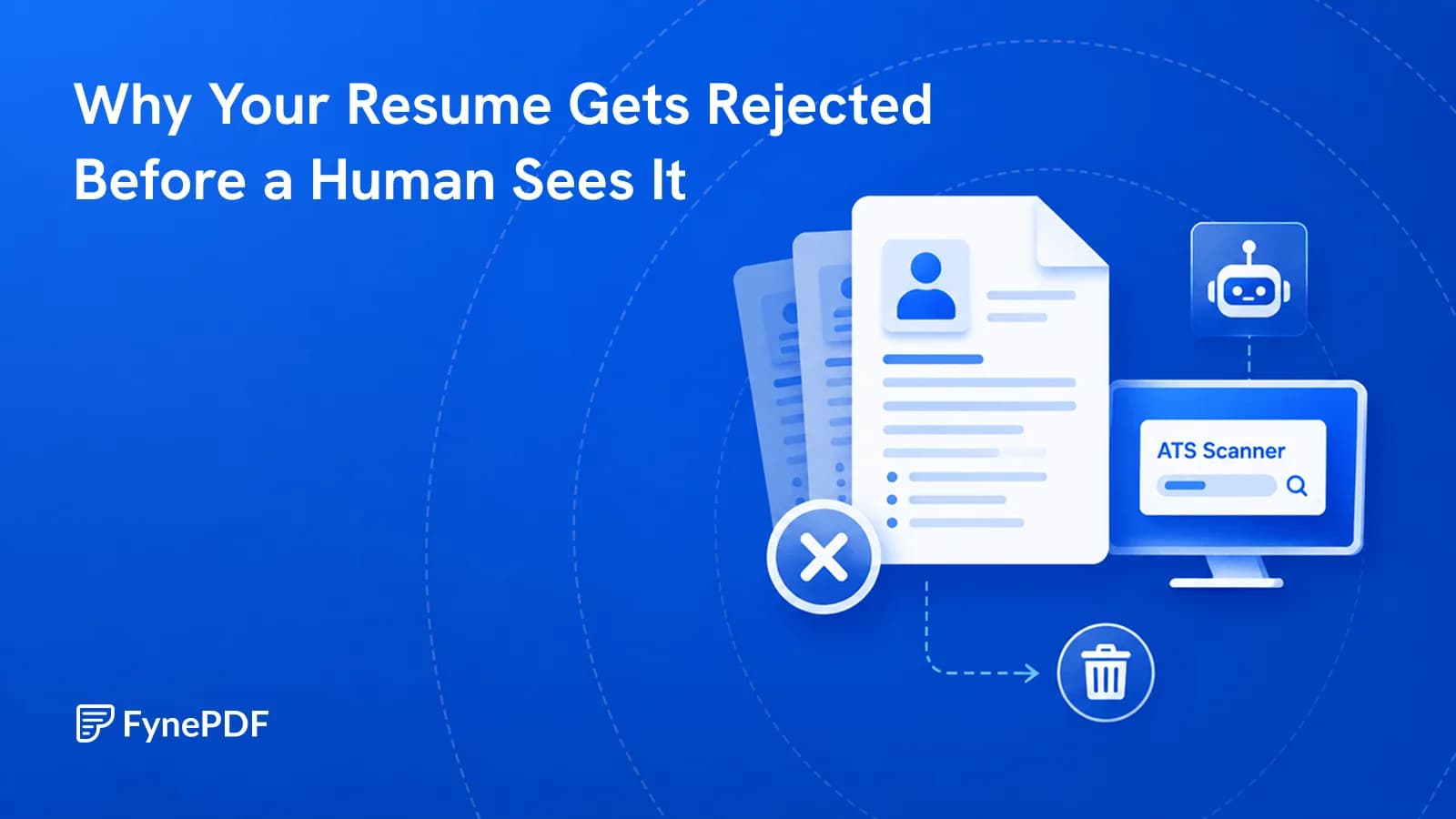
Why Your Resume Gets Rejected Before a Human Sees It
Applicant tracking systems parse your file first. Size, layout, and scans are why it fails.

28 July 2026
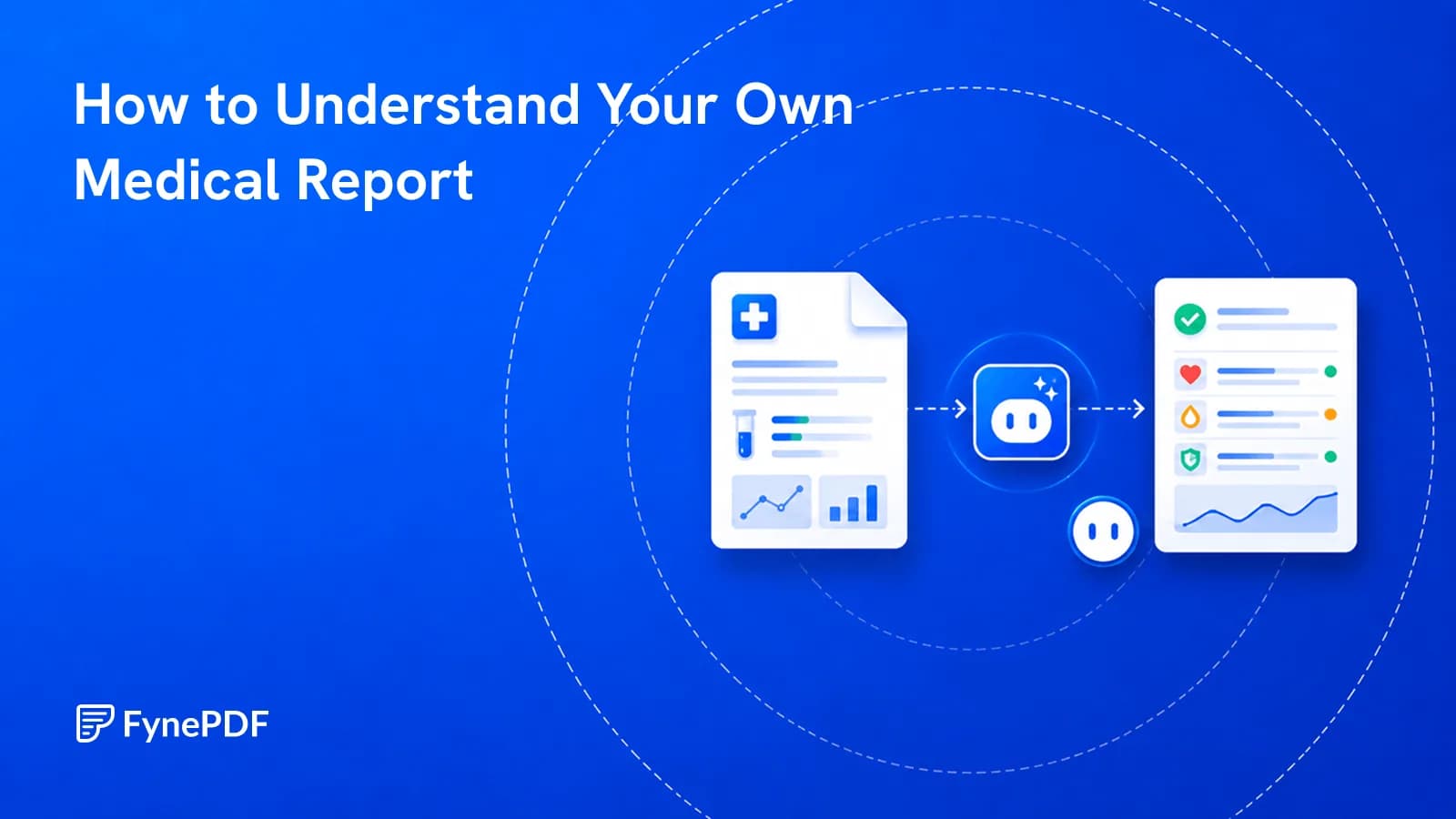
Results arrive before your appointment, written for clinicians rather than for you.
Medical reports are written for clinicians, so they arrive full of abbreviations, reference ranges, and terminology that means nothing to the person the results belong to. Explaining that language helps you arrive at your appointment able to ask real questions instead of nodding through it.
This is not a diagnosis and cannot be one. It explains what terms mean. What your results mean for you is a clinical judgement that requires your history, your examination, and your doctor.
Patient portals now release results as soon as they are filed, often days before anyone discusses them with you. That transparency is genuinely good and it creates a difficult gap: you are looking at a document about your own body, flagged values and all, with no context and nobody to ask until next week.
The natural response is to search individual terms, which tends to surface the worst possible explanation for any finding. Understanding what the document is actually saying is a better use of that waiting period.
The vocabulary and the structure, which is most of what makes these documents opaque:
That distinction between observation and impression is worth knowing. Radiology reports in particular separate what was seen from what the radiologist thinks it suggests, and the second part is already an interpretation.
Free accounts get 10 interactions and files up to 15MB.
The boundary here is not a formality. It is the whole point:
| Can help with | Cannot do |
|---|---|
| Explaining what a term means | Telling you what is wrong with you |
| Describing what a reference range is | Interpreting your specific values |
| Helping you form questions | Answering them clinically |
| Making a report readable | Replacing your doctor |
| Preparing you for a conversation | Advising on treatment |
A value outside a reference range is common and frequently unremarkable. Ranges are population statistics, so healthy people fall outside them routinely, and whether a result matters depends on your baseline, your medication, your other results, and the reason the test was ordered. None of that is in the document.
Never change or stop medication based on reading a report. If something in your results is worrying you, contact your clinician rather than waiting, and if you have symptoms that feel urgent, seek care immediately rather than reading about them.
Preparation is where the real value sits, because appointments are short:
Writing three or four questions down beforehand tends to produce a better consultation than trying to remember them in the room.
Many reports and older records arrive as scans, which contain images rather than text and cannot be read by any tool. Run OCR first.
Be careful with the results. Recognition errors in numbers are the dangerous kind here, because a misread decimal point changes a value entirely and nothing about the output will signal it. Check any figure against the original page image.
Flagged simply means outside a reference range, which happens to healthy people regularly. Whether it is significant is exactly the judgement your clinician makes, and it is the right question to bring to them.
Files transfer over encrypted connections and are permanently deleted within 15 minutes of processing unless you save them to your library. For health records, that deletion window is worth confirming with any service you use.
It works with the written report, not the image itself. Radiology reports are text documents and their terminology can be explained.
Upload your report to the Medical Report Analyzer, then take your questions to the person qualified to answer them.
Try it yourself
Applicant tracking systems parse your file first. Size, layout, and scans are why it fails.
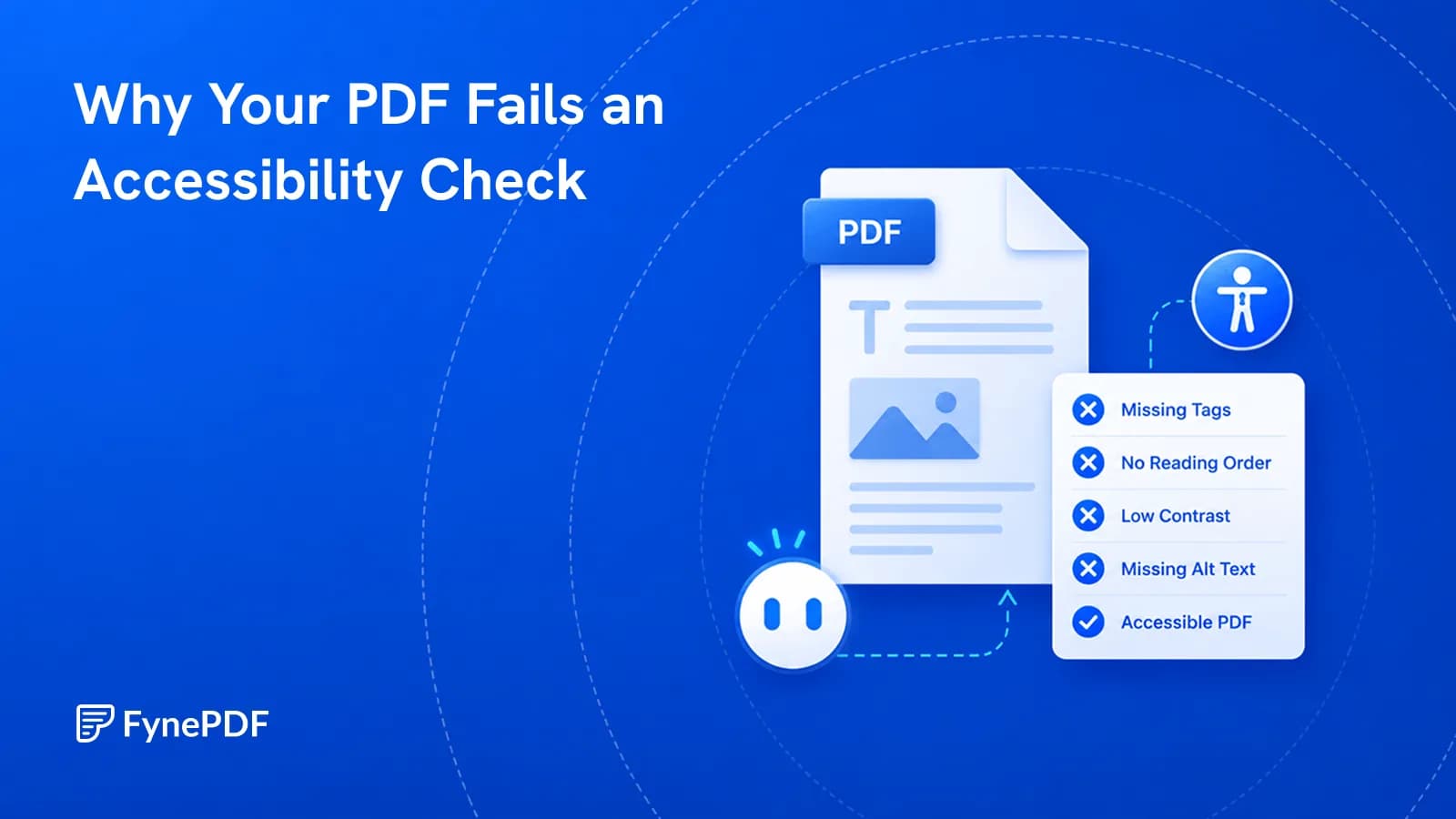
A PDF that looks fine can be unreadable with a screen reader. Here's what's missing.
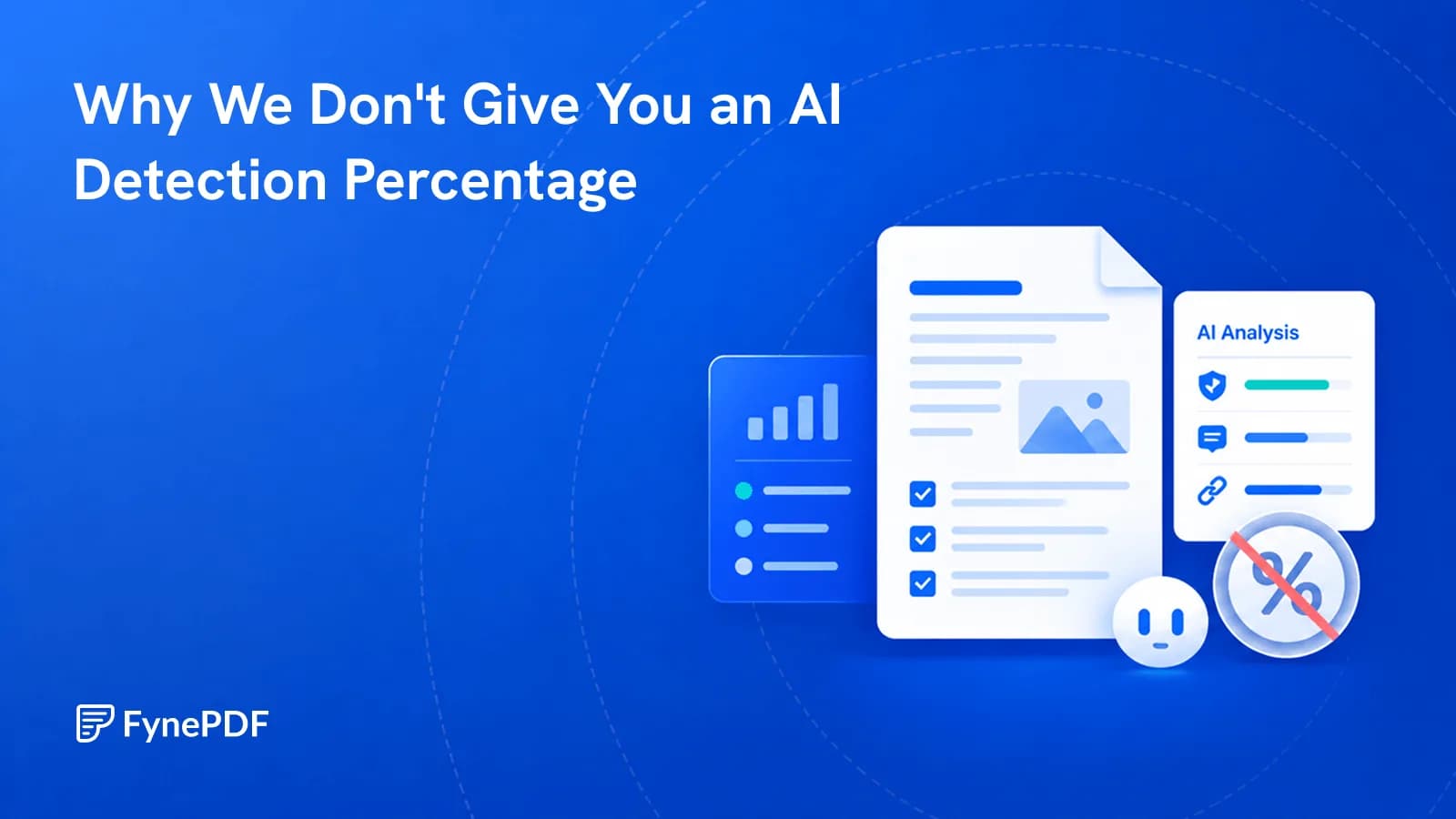
Percentages get treated as proof and used against people. We tell you what we found instead.