


Can a PDF Have a Virus? How to Tell if a PDF Is Safe
PDFs can carry malicious links, scripts, and attachments. Here's how to spot a suspicious PDF before you open it.

28 July 2026
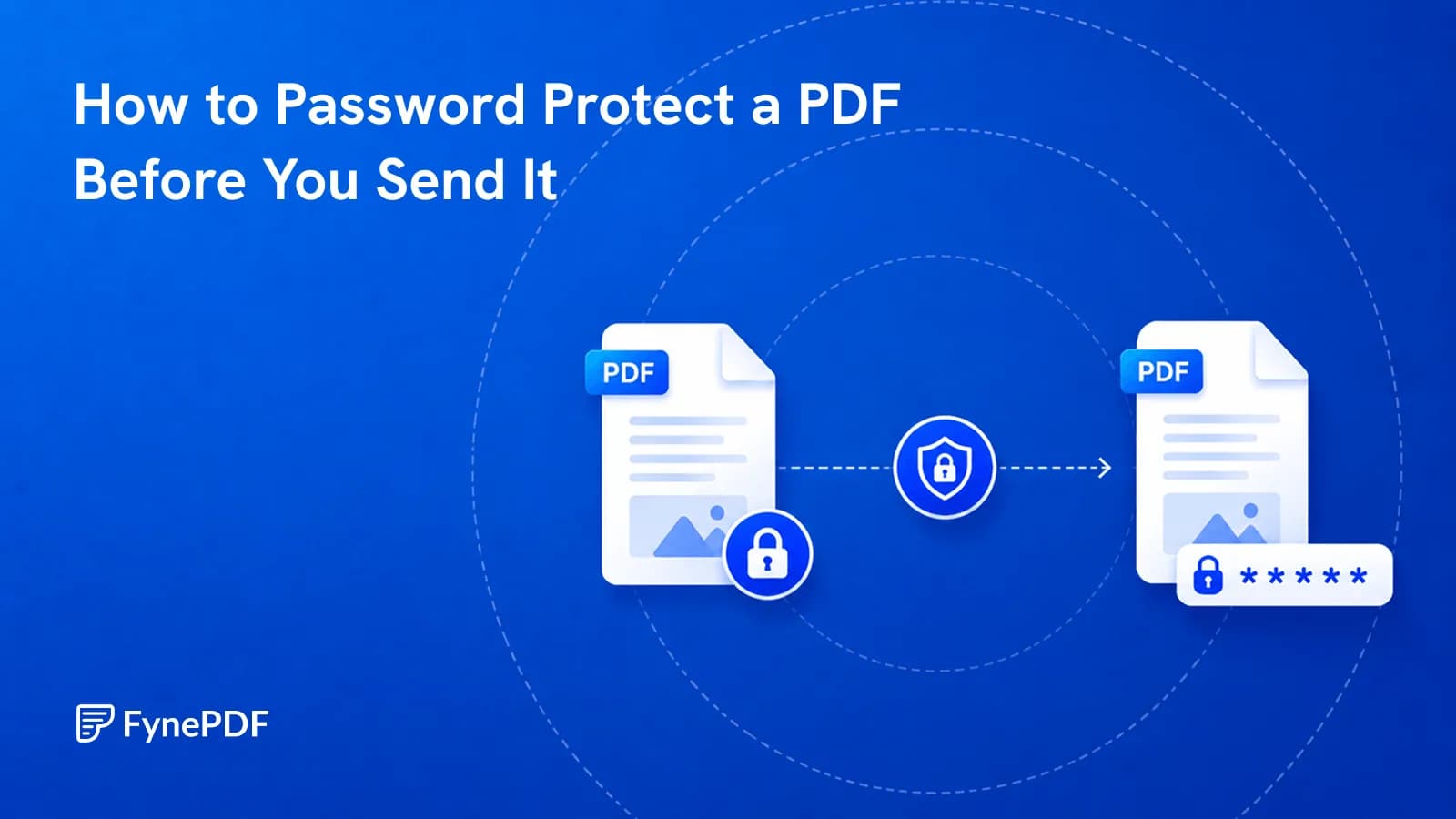
Encryption takes seconds. Sending the password in the same email defeats the whole thing.
To password protect a PDF, upload it, set a password, and download the encrypted file. The document then can't be opened without that password. The part that determines whether it's actually secure is how you send the password, not in the same email as the file, which is the most common mistake by a wide margin.
Encryption is the easy half. Delivery is where protection usually fails.
There are two distinct kinds, and they're often confused.
An open password encrypts the file's contents. Without it, the document cannot be opened or read at all. This is real protection.
A permissions password allows anyone to open the file but restricts printing, copying, or editing. This is a request, not a barrier. Plenty of readers ignore it entirely, and it should never be relied on to protect confidential information.
If the content is sensitive, you want the open password.
That last clause matters more than it sounds. A genuinely encrypted PDF with a lost password is not recoverable, and no tool can honestly claim otherwise.
Through a different channel from the file. If both travel in the same email, anyone who accesses that inbox has both halves and the encryption has achieved nothing.
| Method | Suitable |
|---|---|
| Separate email | No, same channel, same risk |
| Text message or phone call | Yes |
| Signal, WhatsApp, or similar | Yes |
| Shared password manager | Yes, best option for teams |
| In the filename | No |
| In the document itself | No |
For recurring exchanges with the same recipient, agree a shared secret once and reuse it rather than transmitting a new password each time.
Government and institutional upload portals reject encrypted PDFs almost universally, because their processing systems can't open them. USCIS explicitly refuses password-protected files, and most court e-filing and job application systems behave the same way.
Protect documents you're emailing to a person. Send documents to a portal unprotected, and rely on the portal's own security.
Encryption also blocks other processing. If you need to compress, merge, or convert a protected file, remove the password first with Unlock PDF, run the operation, then reapply protection.
Not on its own. Encryption stops someone opening the file; it does nothing about what's inside it once opened, or about the metadata attached to it.
For documents containing personal data you don't need to share, remove the information rather than just locking the container, Redact PDF deletes content permanently, and Flatten PDF collapses form fields that store values separately from the visible page.
Encryption protects the file, not the information inside it once opened. Two things commonly leak past a password.
Metadata travels unencrypted in some respects and often carries the author name, the creating application, and the original filename. A document called Q3_layoffs_draft_v4.pdf communicates plenty before anyone types a password.
Form field values are stored separately from the visible page and can be extracted from a document someone has legitimately opened. Running Flatten PDF collapses them into the page content first.
Length beats complexity. A passphrase of several unrelated words is both stronger and easier to communicate over the phone than a short string of symbols. Avoid anything derived from the document, the client's name, the project code, the date.
Yes, with Unlock PDF, provided you know the password. That's the legitimate use case: you own the document and want to lift protection you applied.
The file is not recoverable. Real encryption has no back door, which is precisely why it works. Keep an unprotected master copy somewhere secure before you encrypt.
Files transfer over encrypted connections and are permanently deleted within 15 minutes of processing unless you save them to your library.
Open the Protect PDF tool, set a password, and send it by a different route than the file itself.
Try it yourself
PDFs can carry malicious links, scripts, and attachments. Here's how to spot a suspicious PDF before you open it.
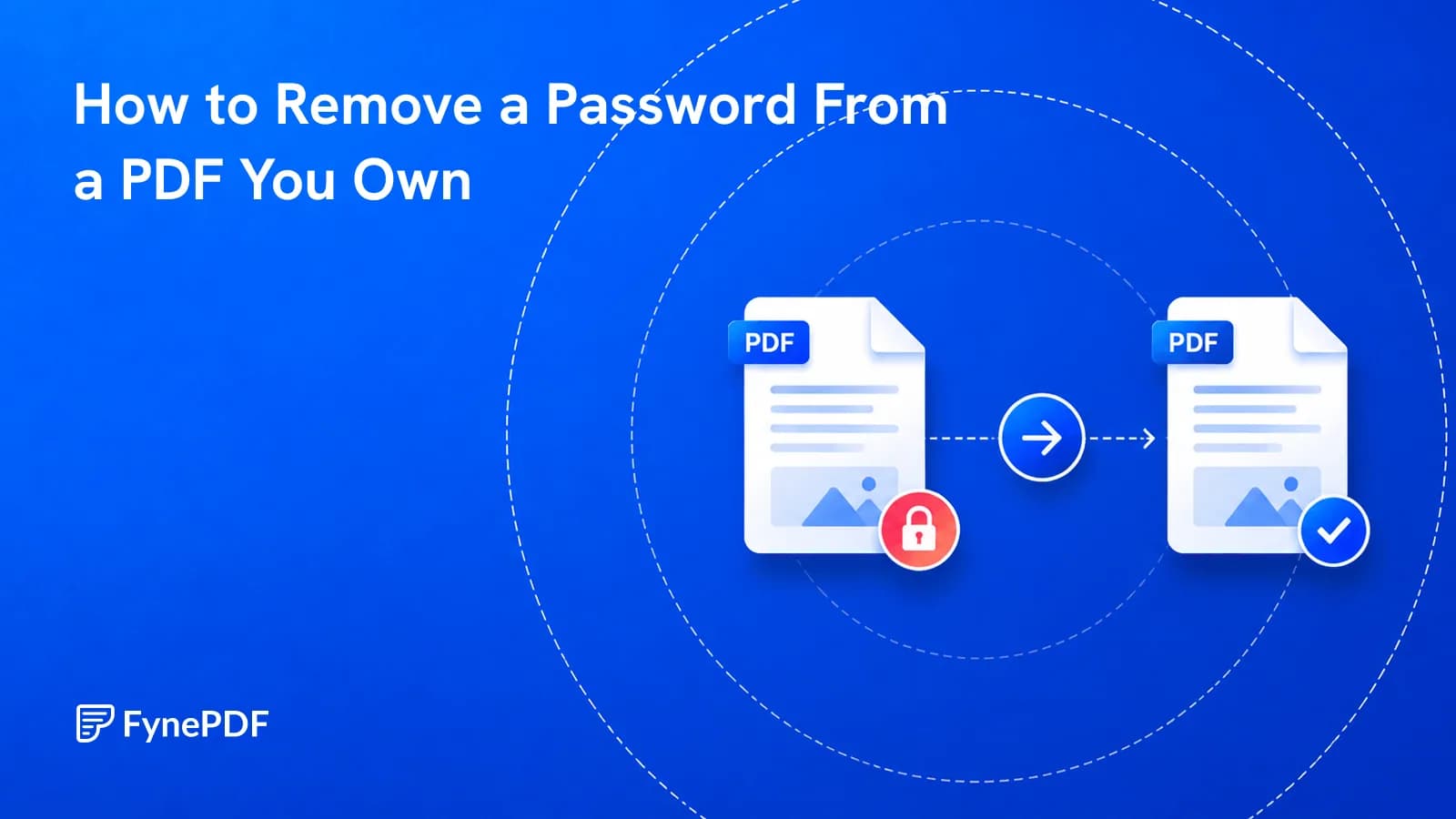
Retyping a password every time gets old. Here's how to lift protection you applied.
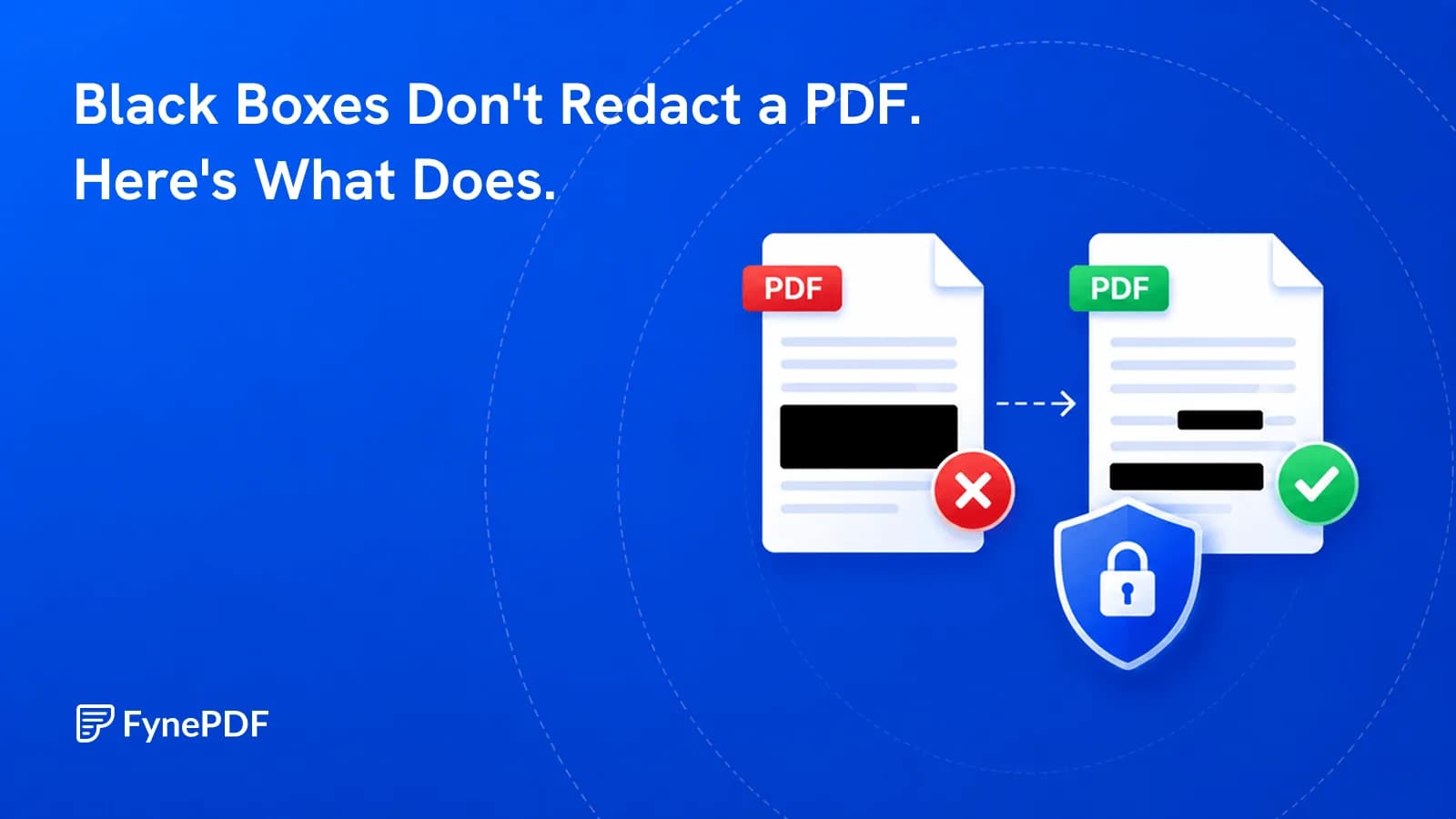
A black rectangle hides text on screen but leaves it in the file, copyable in seconds.