


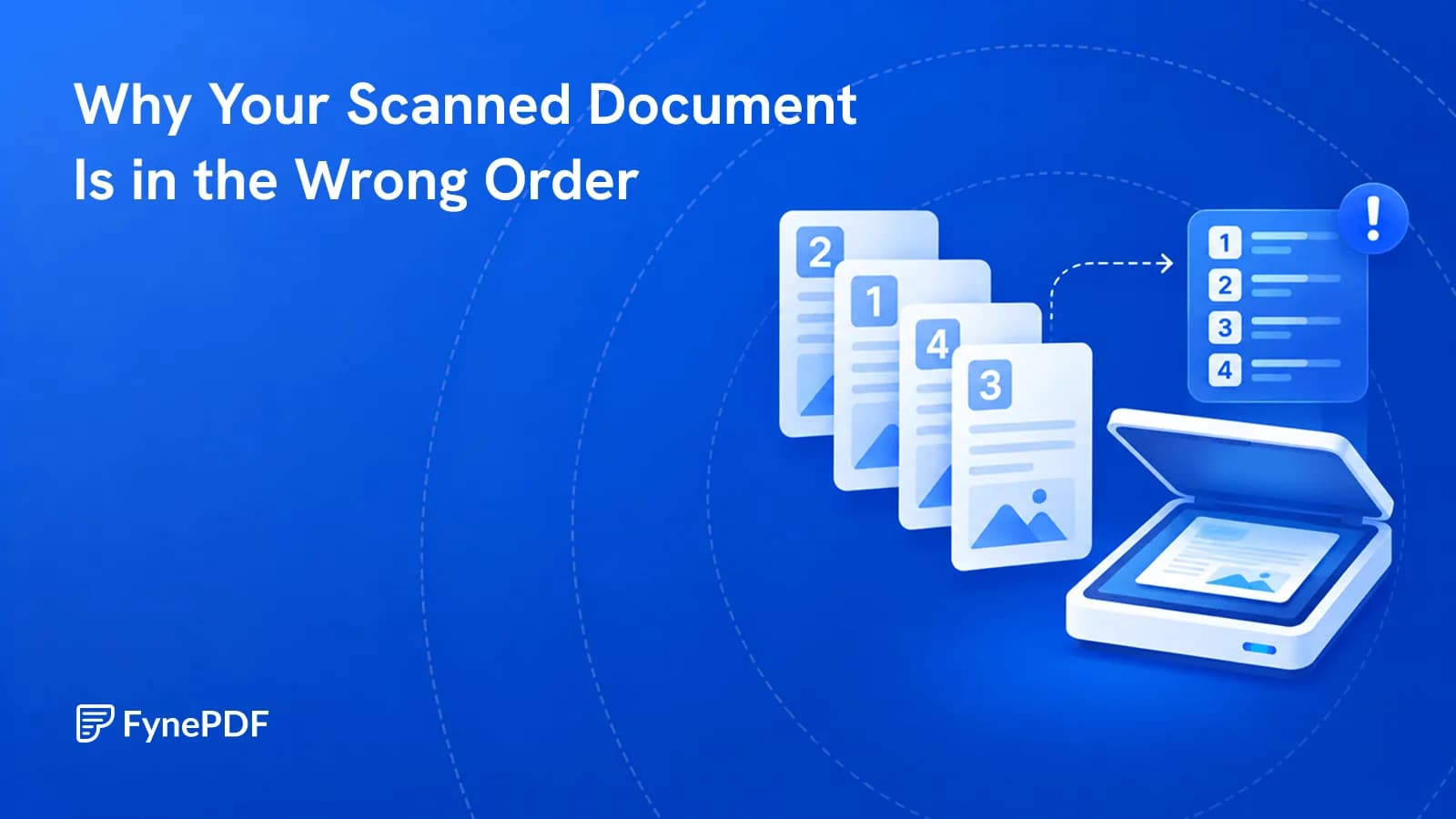
Why Your Scanned Document Is in the Wrong Order
Double-sided scanning gives you all the odd pages, then all the even ones. Here's the fix.

28 July 2026
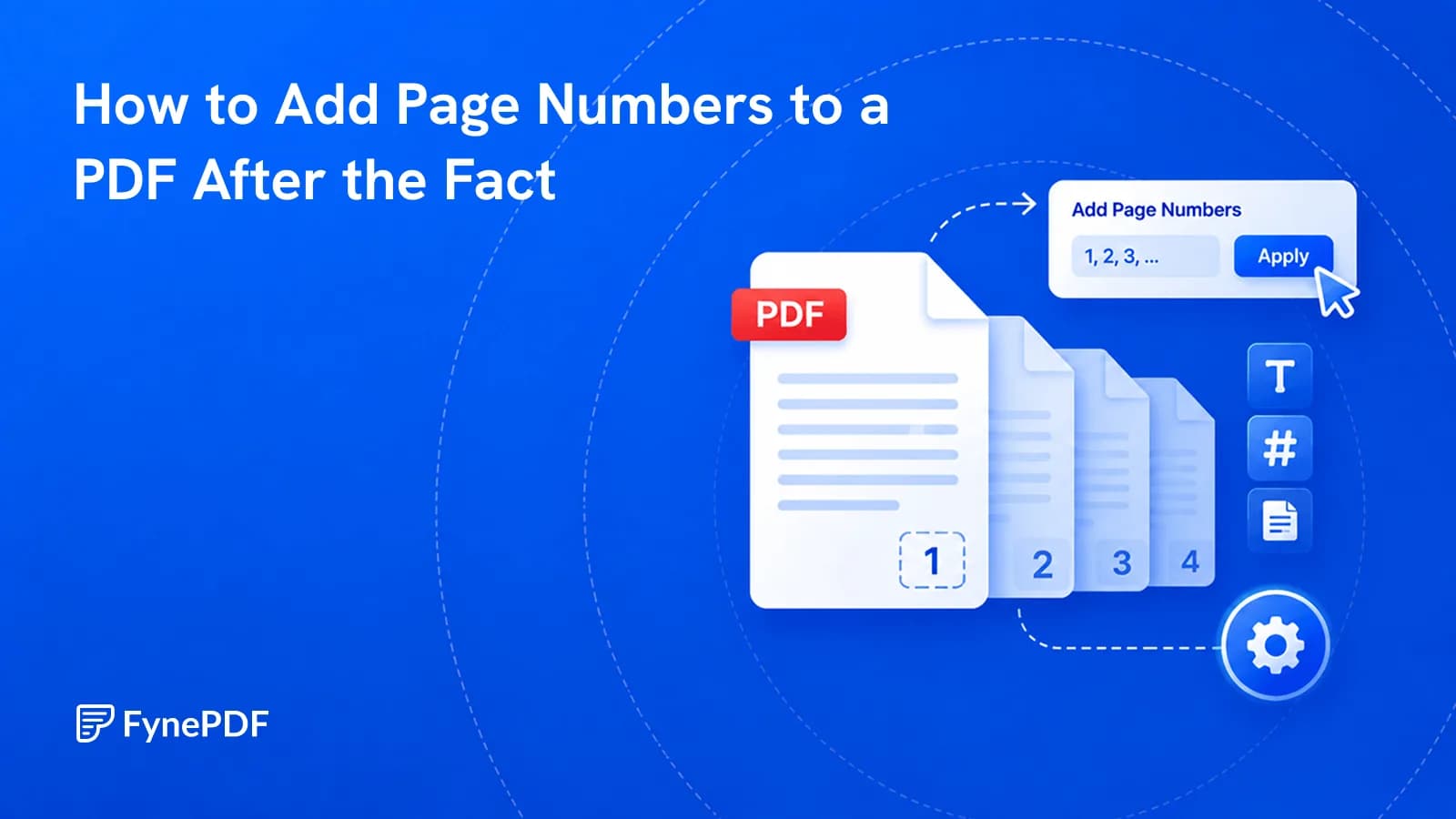
Merged bundles and extracted sections arrive unnumbered. Here's how to fix that.
To add page numbers to a PDF, upload the file, choose where the numbers should sit, and download the numbered version. This matters most for documents assembled from several sources. Merged bundles, scanned sets, and extracted sections all arrive without continuous numbering.
Without it, nobody can point at anything. "The clause about termination" is a search; "page 47" is an instruction.
Numbering breaks whenever a document's page sequence changes after it was created:
The merged case is the most common and the most disruptive, because a fifty-page bundle with five separate numbering sequences is genuinely hard to navigate.
Free accounts handle files up to 600MB.
Position sounds trivial and isn't, because the wrong choice puts numbers on top of existing content:
| Position | Suits |
|---|---|
| Bottom centre | General documents, most conventional |
| Bottom right | Documents that will be bound on the left |
| Top right | Where footers already carry other information |
| Bottom left | Less common; useful when the right side is occupied |
Check a few pages before committing, especially in scanned documents. A scan of a numbered original may already have numbers in the bottom centre, and adding another produces two conflicting numbers on the same page.
Court bundles and disclosure sets typically need continuous numbering across the whole bundle, so any page can be cited unambiguously in a filing or in oral argument.
The workflow is: assemble everything with Merge PDF in final order first, then number once across the completed bundle. Numbering before merging produces exactly the problem you're trying to solve.
Set the numbering after the order is final. Renumbering a bundle that has already been cited in a filing causes considerably more trouble than the original inconsistency.
Last, or very close to it. Numbering reflects page order and page count, so any operation that changes either invalidates it.
The usual sequence for an assembled document:
Compressing after numbering is fine. It doesn't change page order. Everything above numbering does.
Yes, which is what you want for a document that continues a sequence, a second volume starting at 201, or an appendix following a numbered report.
They're placed in the margin area, but documents with very tight margins or existing footers can conflict. Check several pages of the output rather than only the first.
Yes. Numbering is added as page content and doesn't require a text layer. If you also want the document searchable, run OCR. Separately, and either before or after.
Not from the numbered file, since they become part of the page. Keep the original if there's a chance the order will change again.
Files transfer over encrypted connections and are permanently deleted within 15 minutes of processing unless you save them to your library.
Get the page order final first, then open Add Page Numbers and check a few pages of the output before circulating it.
Try it yourself
Double-sided scanning gives you all the odd pages, then all the even ones. Here's the fix.
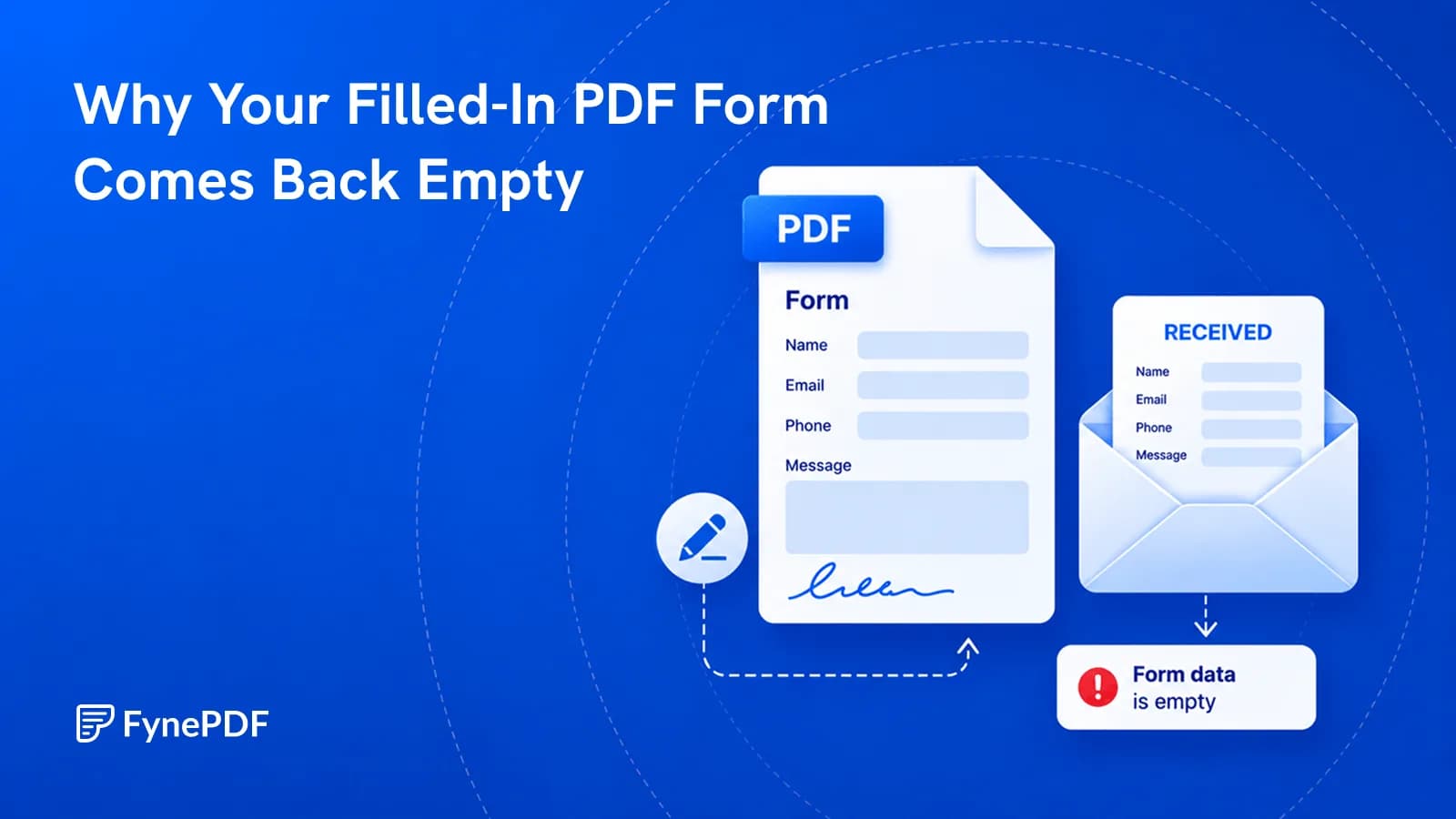
You typed everything in and they see blank boxes. Here's what actually went wrong.
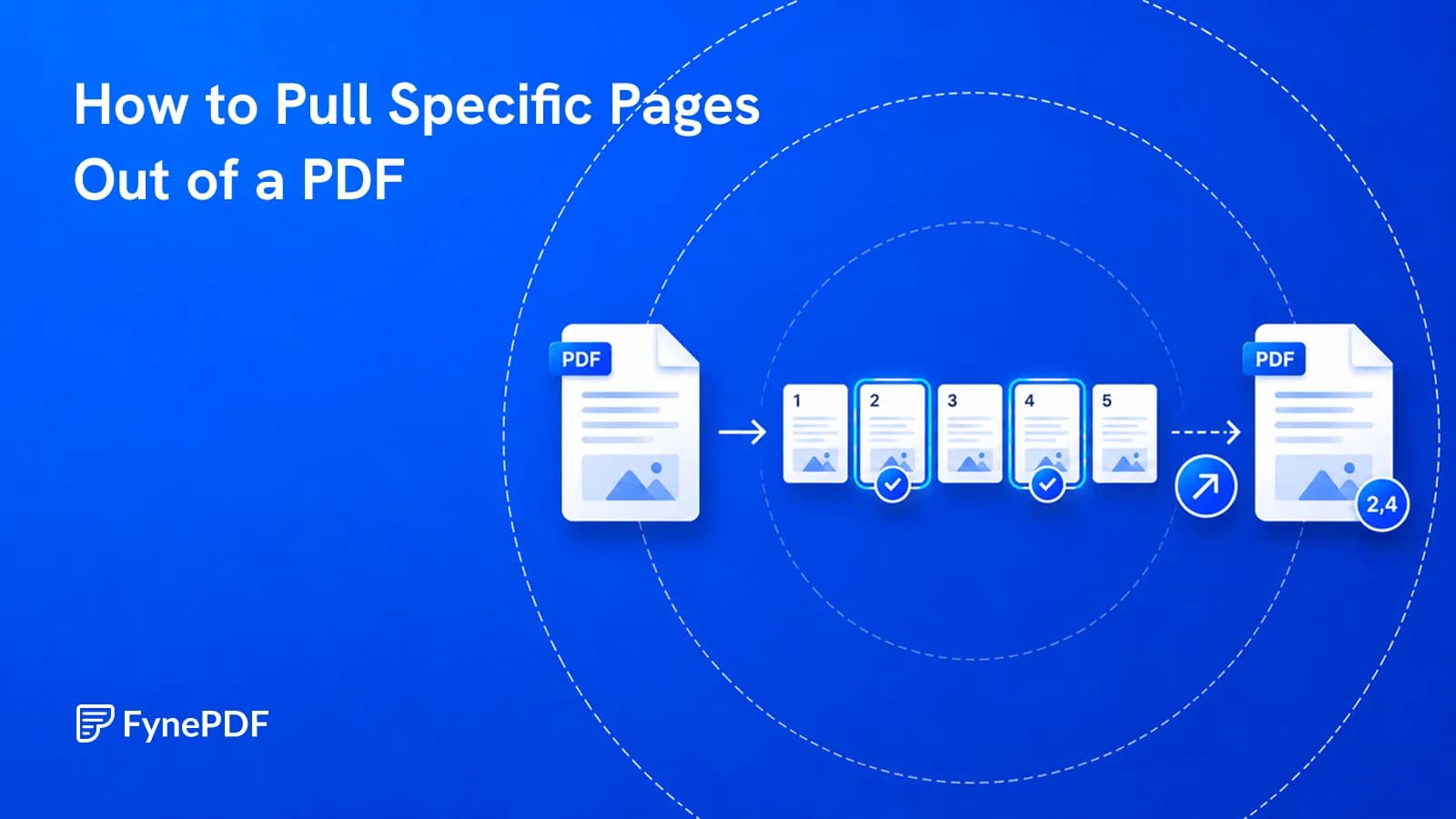
They asked for one appendix, not the 300-page report. Here's how to send just that.