


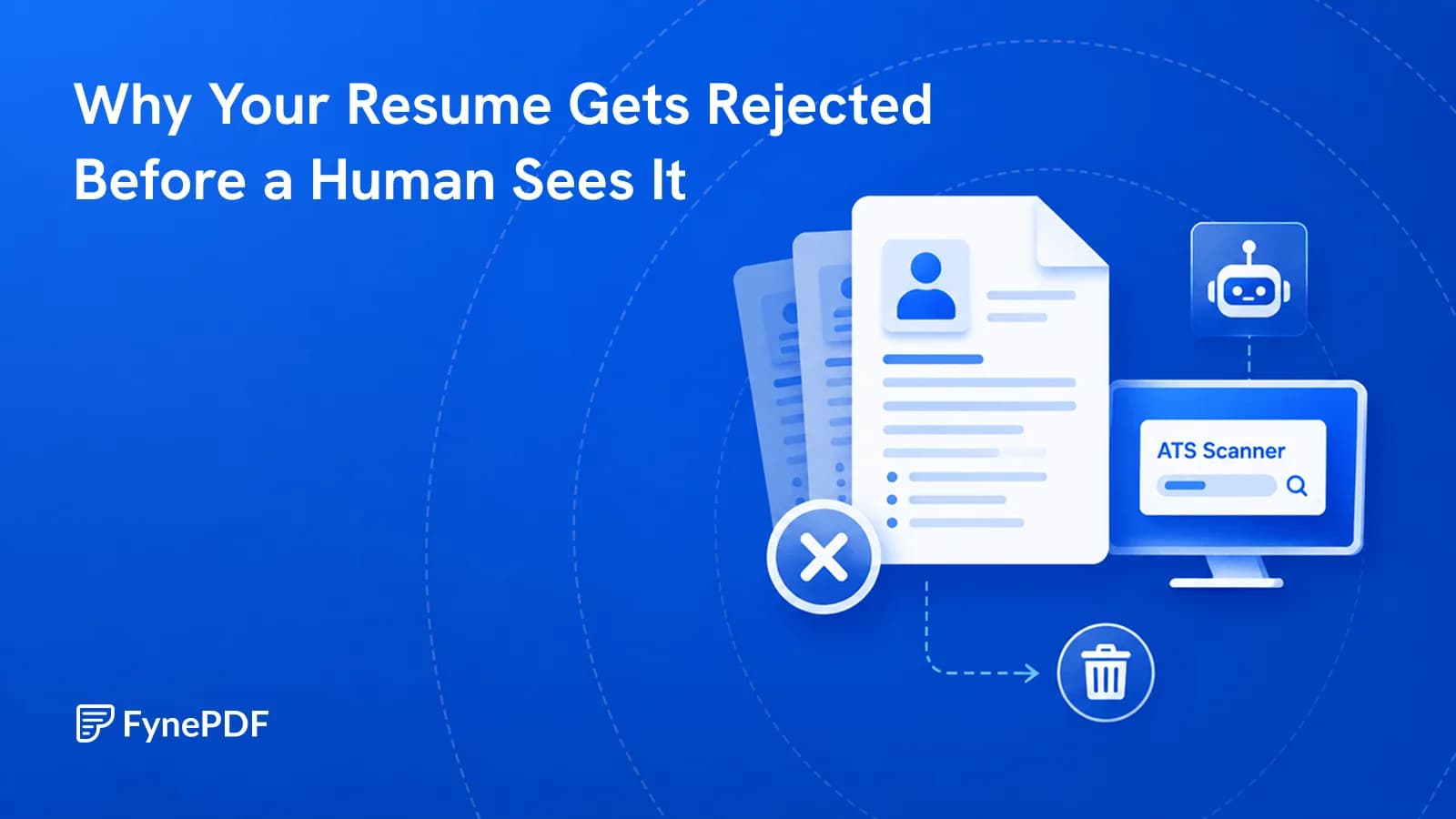
Why Your Resume Gets Rejected Before a Human Sees It
Applicant tracking systems parse your file first. Size, layout, and scans are why it fails.

28 July 2026
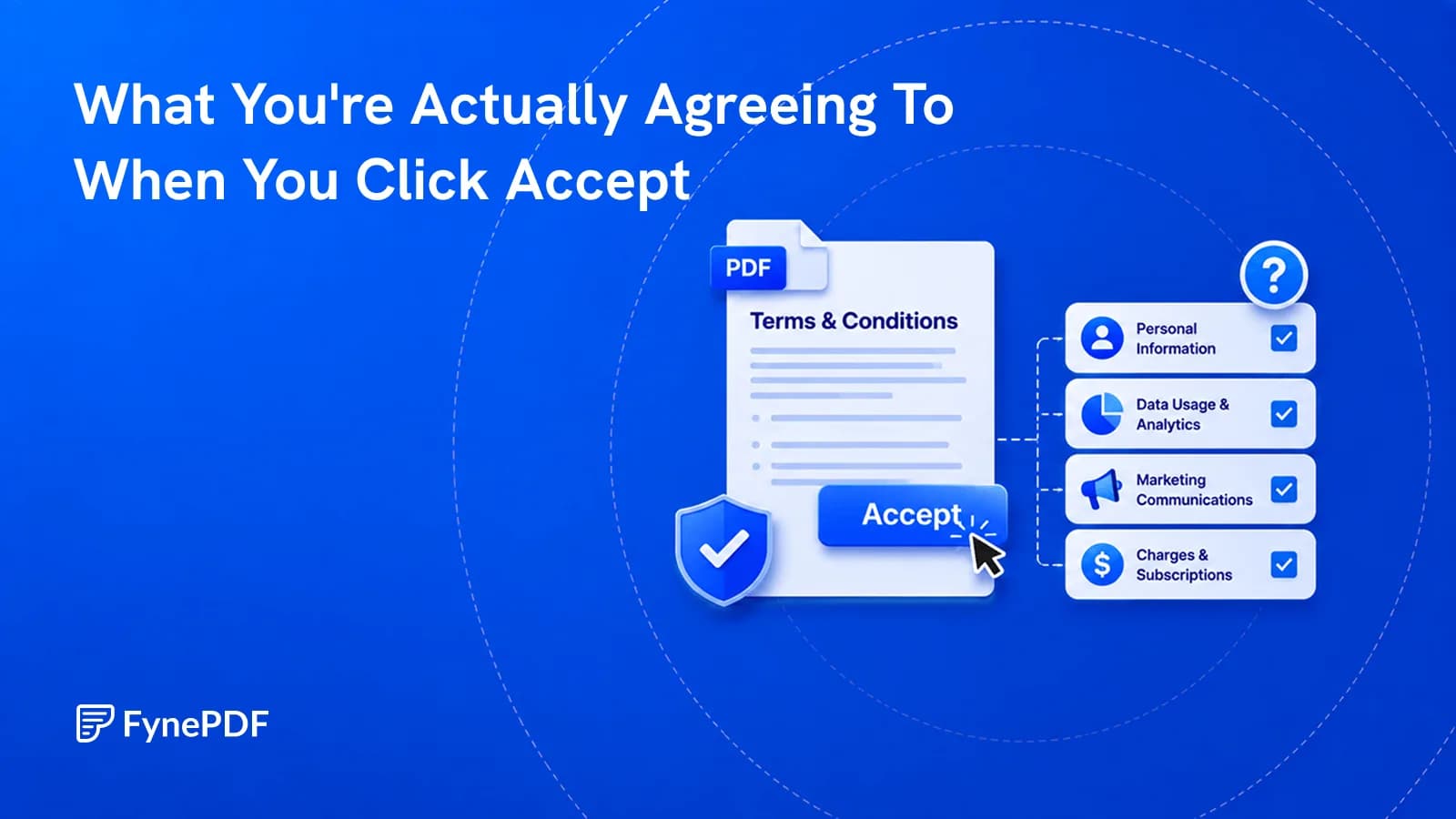
Nobody reads them, and the clauses that matter are buried deliberately. Here's what to check.
Terms of service are long because length discourages reading, and the clauses with real consequences sit in the middle where attention is lowest. Summarising a policy tells you what it covers in a minute, enough to decide whether the parts that affect you need reading properly.
The goal isn't to skip the document. It's to find out which paragraph you should actually read.
Most of a policy is unremarkable boilerplate. A handful of provisions carry nearly all the consequence:
| Clause | Why it matters |
|---|---|
| Data sharing | Who else receives your information, and for what |
| Content licence | What rights you grant over things you upload |
| Unilateral change | Whether terms can be altered without your agreement |
| Arbitration and class action waiver | Whether you keep the right to sue or join a group claim |
| Auto-renewal | How and when you can actually cancel |
| Termination | Whether your data survives account closure |
| Governing law | Which country's courts apply if something goes wrong |
The content licence is the one people are most surprised by. Upload a photo, a document, or a piece of writing to a platform and you may have granted a broad, transferable, royalty-free licence over it. That's often necessary for the service to function. It can't display your photo without a licence to display it, but the scope varies enormously between providers.
Free accounts get 10 interactions and files up to 15MB. Capturing the page as a PDF also gives you a dated record of what the terms said, which matters if they change later.
Not for every app. It's worth the two minutes when the stakes are real:
For a free game your child wants, this is disproportionate. For the platform holding your business records, it isn't.
Treat it as a map, not a substitute for the territory. A summary compresses toward what's prominent, and legal drafting deliberately makes consequential clauses unremarkable, a single sentence creating an obligation looks structurally identical to a sentence about server maintenance.
Practical approach: use the summary to locate the clauses above, then read those clauses in the original text. That's a five-minute job rather than a forty-minute one, and it puts your attention where it belongs.
This isn't legal advice, and for anything with commercial consequence, a contract your business depends on, terms that conflict with an agreement you've already signed, a solicitor reading the actual document is what you need.
They answer a different question: not what you're agreeing to do, but what's being done with information about you. Look for what data is collected beyond the obvious, whether it's sold or shared with advertising partners, how long it's retained after you leave, whether it leaves your jurisdiction, and how you request deletion.
Data protection regimes in many countries give you rights the policy must honour regardless of what it says. If a policy appears to sign those away, that's worth a professional opinion rather than acceptance.
Yes, and it's the better use of your time when a provider announces changes. Capture both versions and run Compare PDF to see exactly what moved.
Capture each with URL to PDF and combine them with Merge PDF before summarising. Providers frequently split terms across documents, and the significant clause is often in the one you didn't open.
Files transfer over encrypted connections and are permanently deleted within 15 minutes of processing unless you save them to your library.
Capture the terms, run them through the ToS & Privacy Policy agent, then read the flagged clauses in full.
Try it yourself
Applicant tracking systems parse your file first. Size, layout, and scans are why it fails.
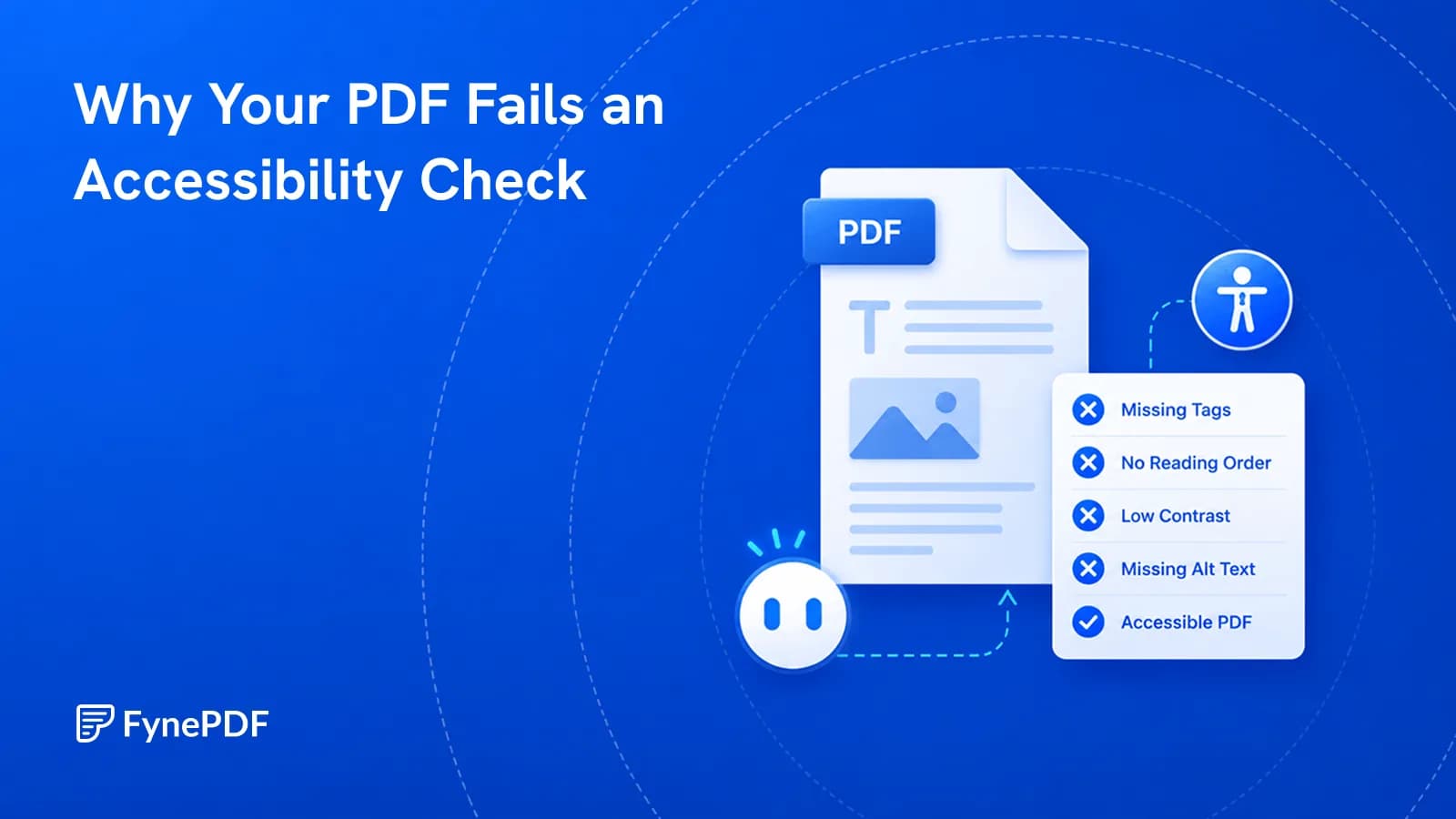
A PDF that looks fine can be unreadable with a screen reader. Here's what's missing.
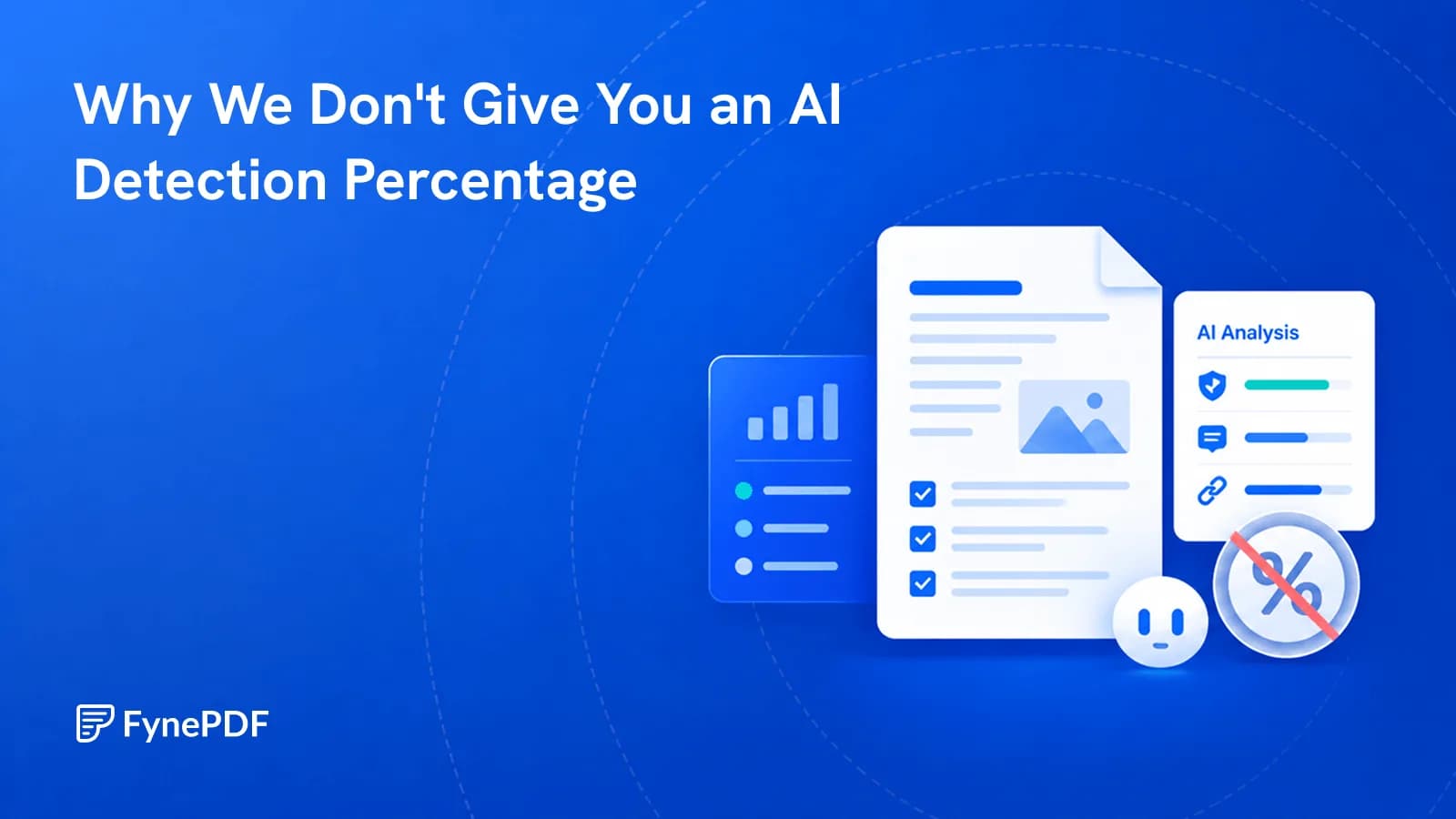
Percentages get treated as proof and used against people. We tell you what we found instead.