


Why Your Resume Gets Rejected Before a Human Sees It
Applicant tracking systems parse your file first. Size, layout, and scans are why it fails.

28 July 2026
Blank schedules and unsigned pages are what actually void agreements. Catch them first.
Checking a legal document before signing means confirming it is complete and internally consistent: every schedule attached, every blank filled, every cross-reference pointing somewhere real, and every date agreeing with every other date. These mechanical failures cause more problems in practice than disagreements over terms.
This is a completeness check, not legal advice. Whether the terms are right for you is a different question, and a lawyer answers it.
Not the negotiated clauses, usually. Those have been read by both sides. It's the assembly:
These arrive through ordinary document handling: a schedule dropped during a merge, a clause deleted after cross-references were written, a version circulated before the last edit.
Free accounts get 10 interactions and files up to 15MB. Upload the complete bundle rather than the main agreement alone, or missing schedules cannot be detected.
The line matters, so it's worth stating directly:
| Checks | Does not check |
|---|---|
| Referenced schedules are present | Whether the terms favour you |
| Blanks and placeholders remain | Whether a clause is enforceable |
| Cross-references resolve | Whether it complies with local law |
| Dates are internally consistent | What a court would decide |
| Party names match throughout | Whether you should sign |
| Signature blocks are complete | Whether better terms are available |
Everything in the right column is legal advice, which requires a qualified professional who knows your circumstances and jurisdiction. A completeness check finds broken plumbing. It has no view on whether the house is worth buying.
Mechanical problems go back to whoever prepared the document, and they are usually fixed without argument because neither side benefits from an incomplete agreement.
Two things to be careful about. First, do not fix them yourself in a document the other side has already approved, unless the change is agreed. Second, if a schedule is genuinely missing rather than misplaced, that is a substantive gap and not a formatting issue, since the agreement is incorporating terms nobody has seen.
If pages need reordering or a schedule needs attaching, Merge PDF and Organize Pages handle the assembly, and Add Page Numbers gives the completed bundle continuous numbering so it can be referenced.
Nothing can be checked until there is a text layer. Run OCR first.
Scanned agreements deserve extra care afterwards, because recognition errors in clause numbers and dates are precisely the fields being checked for consistency. A misread date creates a discrepancy that isn't real, and can hide one that is.
No. It checks whether the document is complete and coherent, which is a narrow and mechanical question. Whether the terms are appropriate requires professional judgement about your situation, and for anything of consequence that review is worth its cost.
Not as such. An unfavourable clause is complete, consistent, and correctly cross-referenced. It looks fine mechanically, which is the point.
Yes, and arguably more so. Sending an agreement with a missing schedule delays the deal and looks careless.
Files transfer over encrypted connections and are permanently deleted within 15 minutes of processing unless you save them to your library.
Upload the full bundle to the Verify Legal Documents agent, fix what's mechanically wrong, then get the substance reviewed.
Try it yourself
Applicant tracking systems parse your file first. Size, layout, and scans are why it fails.
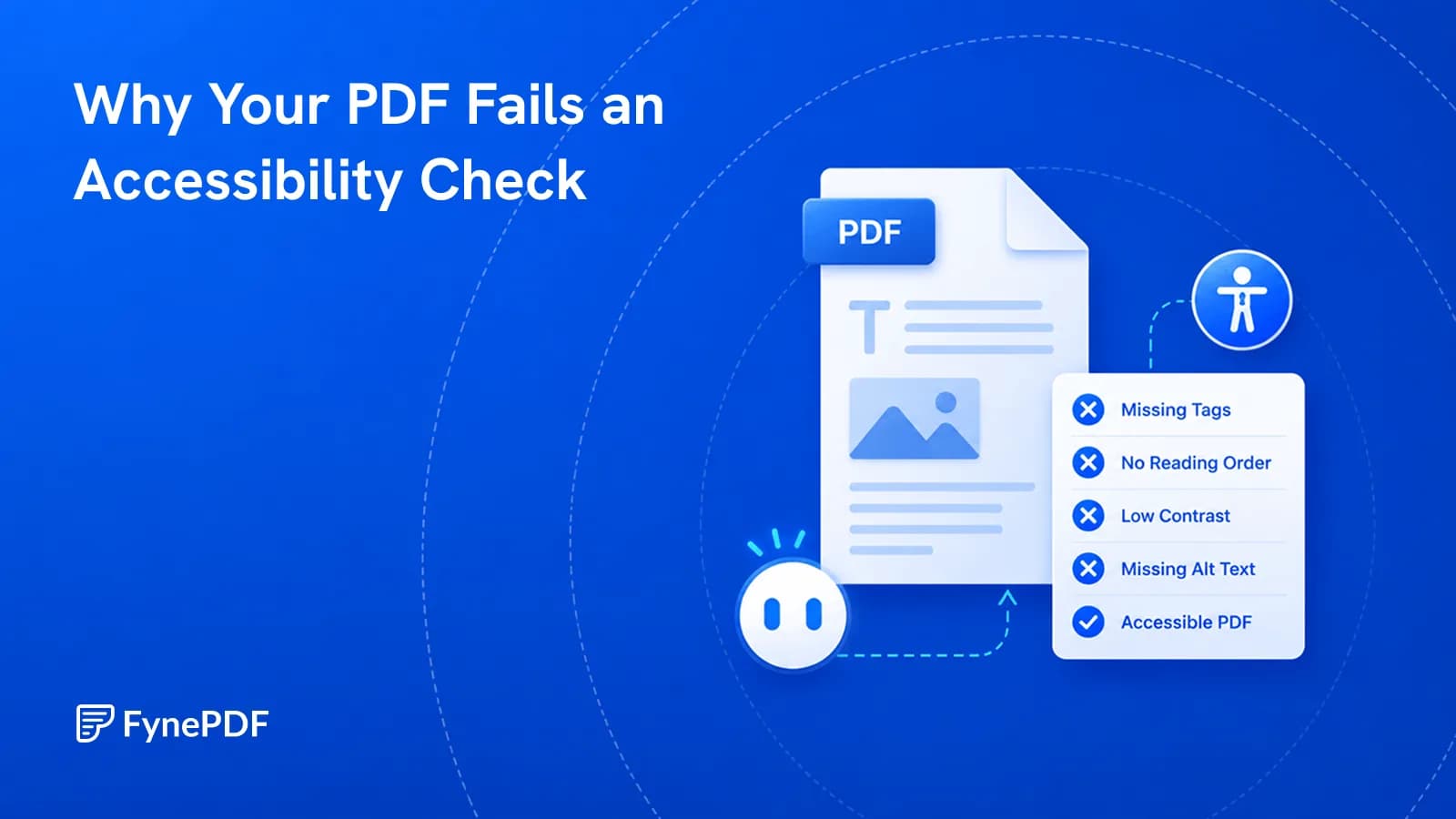
A PDF that looks fine can be unreadable with a screen reader. Here's what's missing.
Percentages get treated as proof and used against people. We tell you what we found instead.