


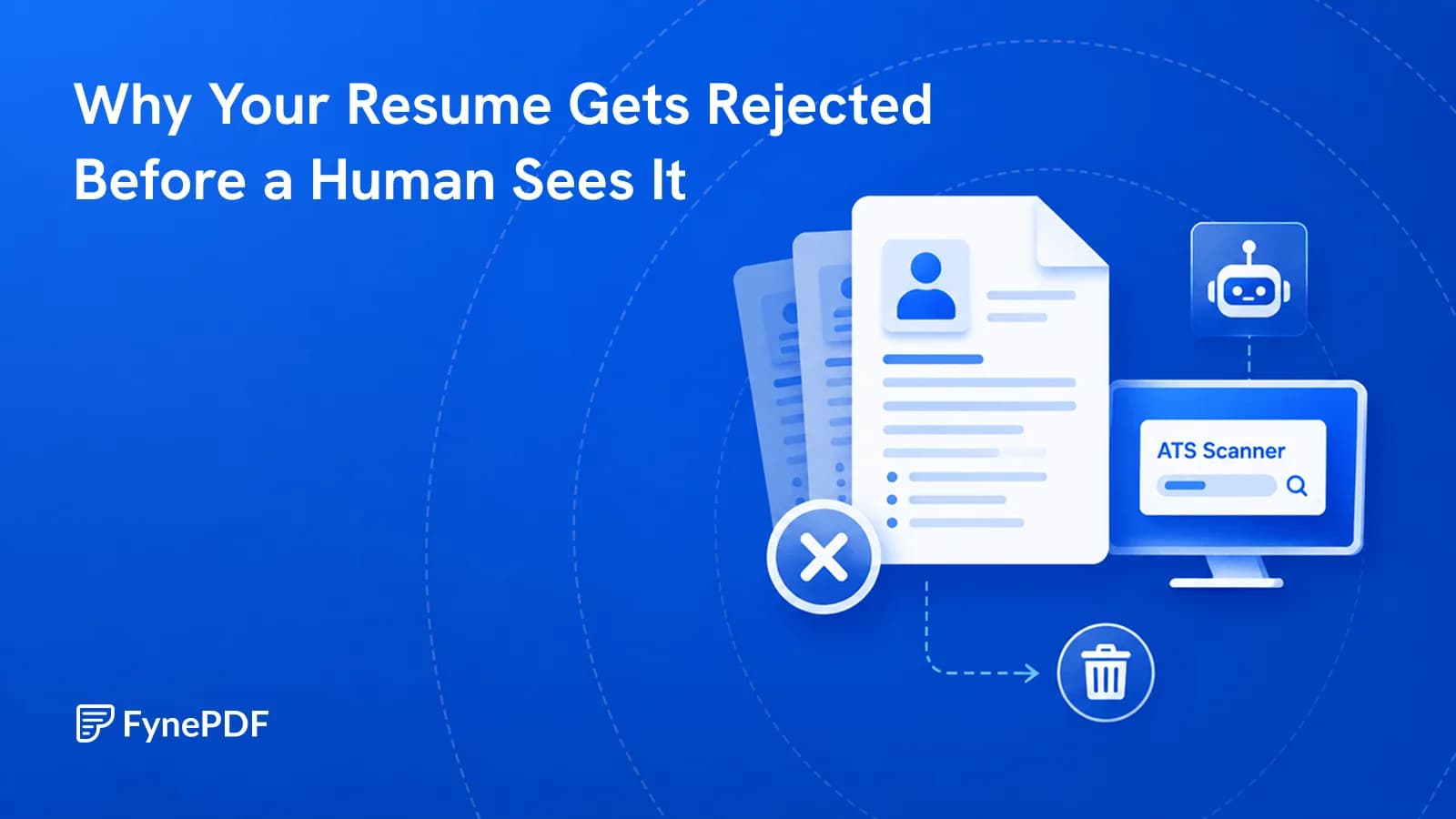
Why Your Resume Gets Rejected Before a Human Sees It
Applicant tracking systems parse your file first. Size, layout, and scans are why it fails.

28 July 2026
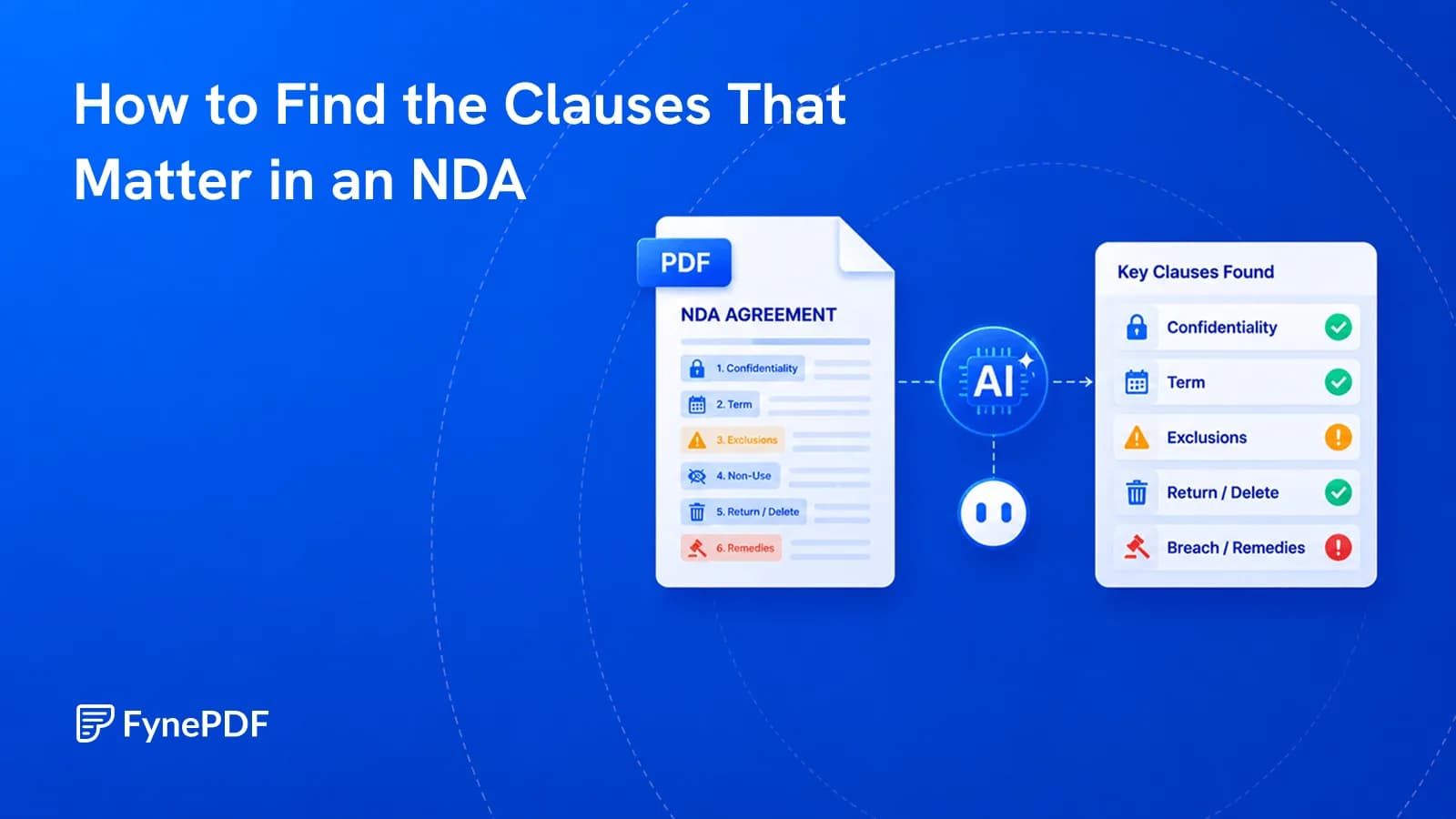
Most of an NDA is standard. Three or four clauses aren't, and those are the ones to find.
Most of an NDA is boilerplate that varies little between agreements. The consequential parts are usually four provisions: what counts as confidential, how long the obligation lasts, where disputes are heard, and what happens if you breach it. Extracting those lets you review the document in minutes rather than skimming twelve pages.
This gets you to the right paragraphs. Whether the terms are acceptable is a judgement, and for anything significant that judgement belongs with a lawyer.
Definition of confidential information. The broadest ones cover anything disclosed in any form, including things you already knew. Narrow definitions list categories or require material to be marked confidential. This single clause determines the scope of everything else in the agreement.
Duration. Two years and perpetual are very different commitments. Perpetual obligations on ordinary business information are aggressive, though they're standard for trade secrets in some industries.
Governing law and jurisdiction. An agreement enforceable only in a court on another continent is expensive to defend, whatever the merits.
Remedies. Injunctive relief clauses let the other side stop your activity without proving damages first. Liquidated damages set a figure in advance.
Mutuality. Check whether obligations run both ways. A one-way NDA where only you are bound is common and worth noticing before signing.
Residuals. A residuals clause permits use of information retained in memory, which can significantly weaken the protection you thought you had.
Free accounts get 10 interactions and files up to 15MB, which covers almost any NDA.
Treat it as a way to find the right paragraphs quickly, not as a review. Extraction can identify where a clause sits and summarise what it appears to say. It cannot tell you whether that clause is enforceable in your jurisdiction, whether it's unusual for your industry, or what it will mean in a dispute two years from now.
| Reasonable use | Not a substitute for |
|---|---|
| Finding which clause covers duration | Deciding whether the duration is acceptable |
| Comparing two NDAs quickly | Legal advice on either |
| Preparing questions for your lawyer | The lawyer |
| Triaging which agreements need review | Signing without review |
The practical value is narrowing what a professional needs to look at. Handing a lawyer four flagged clauses instead of twelve pages is a cheaper conversation.
Scanned agreements contain images rather than text, so nothing can be extracted. Try selecting a line: if you get a box over the whole page instead of highlighted words, run OCR first.
Verify scanned extractions more carefully. Recognition errors in a numbered clause reference or a duration figure would change the meaning of what you're reading.
If the other side has returned an edited version without track changes, extraction of each document separately is the wrong tool. Use Compare PDF instead, which surfaces the differences directly.
Watch for modal verbs in particular. "Shall not disclose" becoming "will use reasonable efforts not to disclose" is a substantial weakening that reads almost identically in passing.
No, and treat any tool claiming otherwise with suspicion. Fairness depends on the negotiating positions, the industry, the jurisdiction, and what you're actually exchanging. A clause that's routine in one context is unreasonable in another.
The extraction approach applies to any structured agreement, though it's tuned for confidentiality terms. For general contract questions, Chat with Doc lets you ask directly and cite the page.
Files transfer over encrypted connections and are permanently deleted within 15 minutes of processing unless you save them to your library.
Upload it to the NDA Clause Extractor, read the four clauses that matter, and take anything unusual to a lawyer.
Try it yourself
Applicant tracking systems parse your file first. Size, layout, and scans are why it fails.
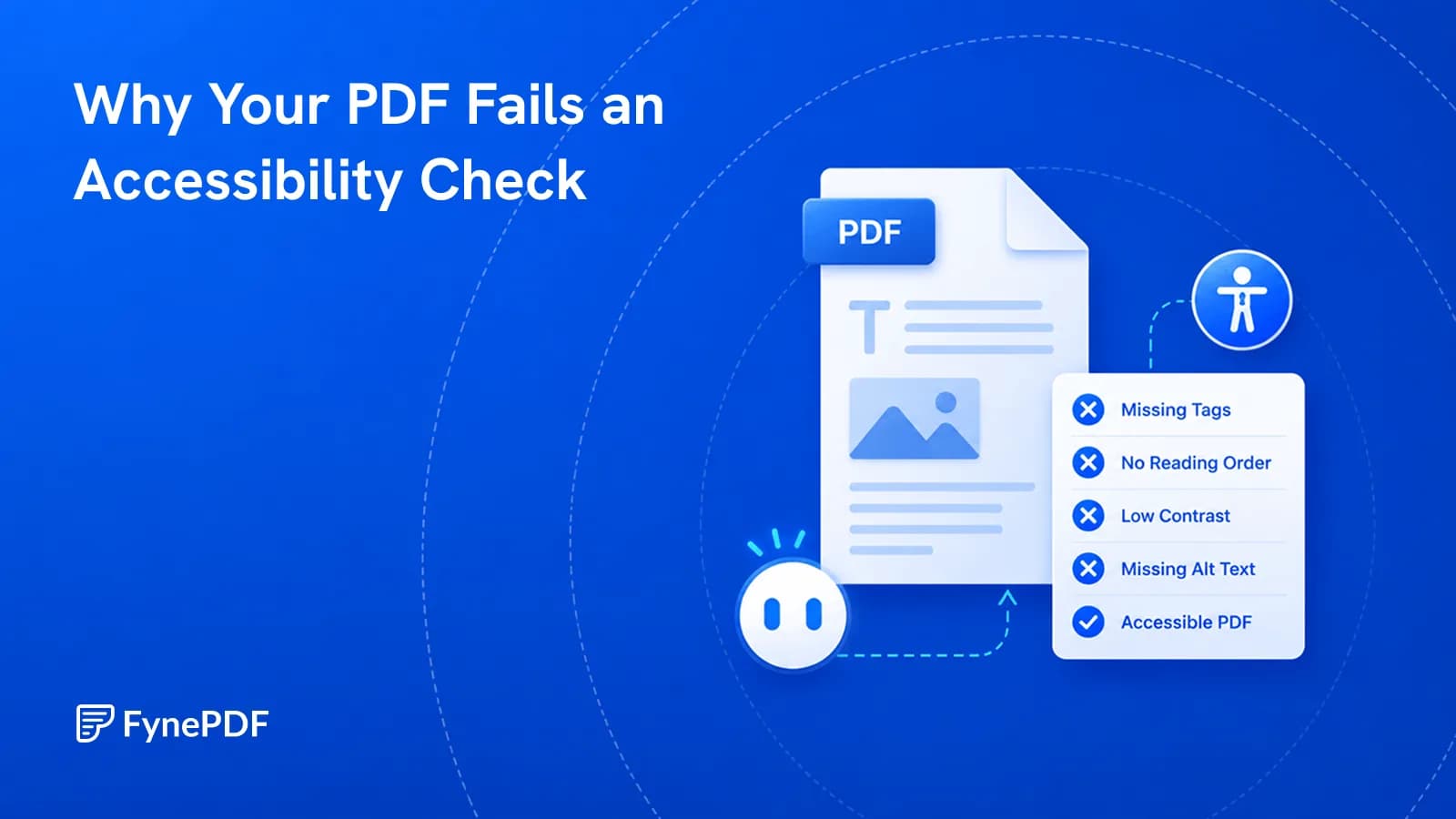
A PDF that looks fine can be unreadable with a screen reader. Here's what's missing.
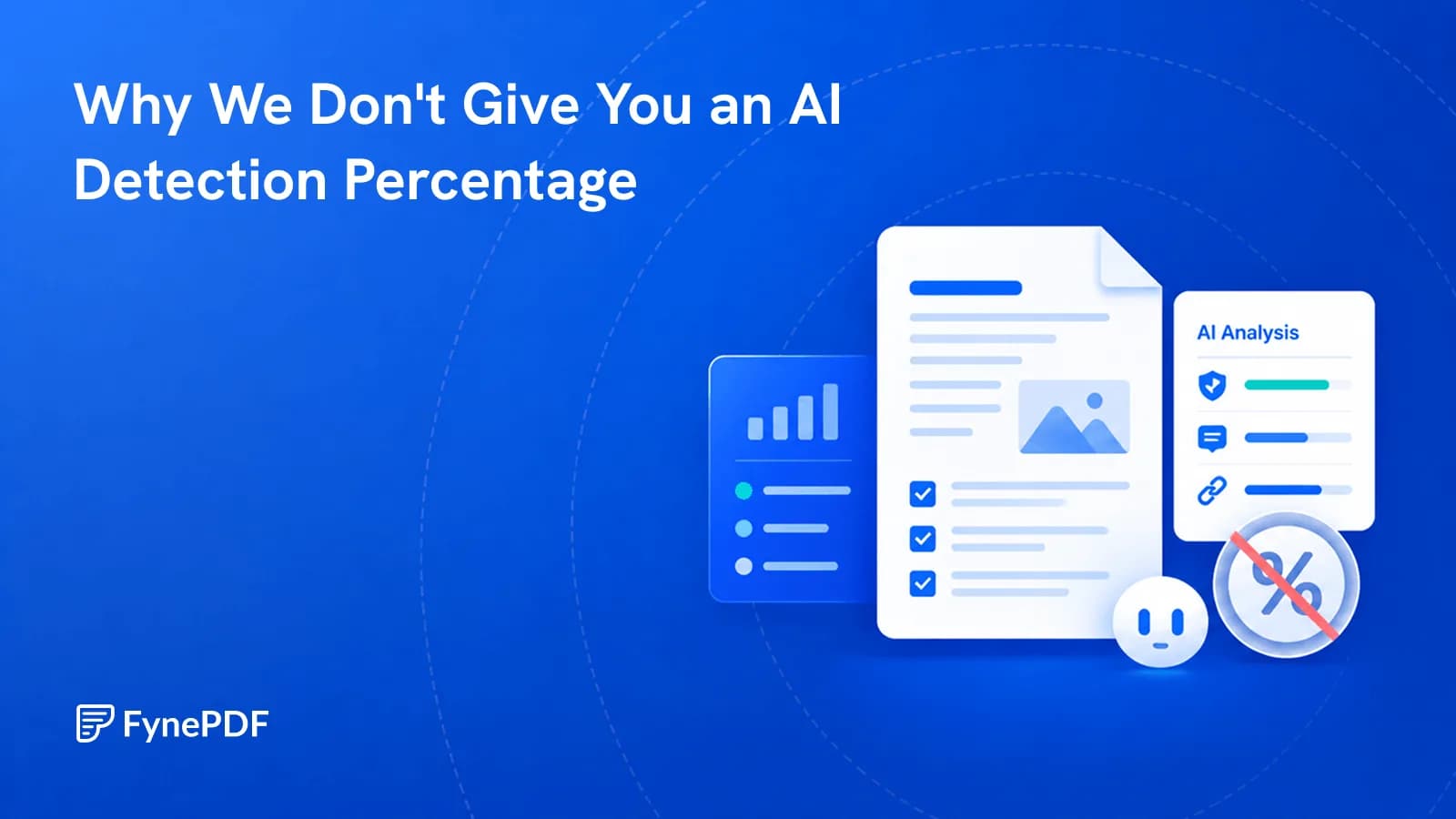
Percentages get treated as proof and used against people. We tell you what we found instead.