


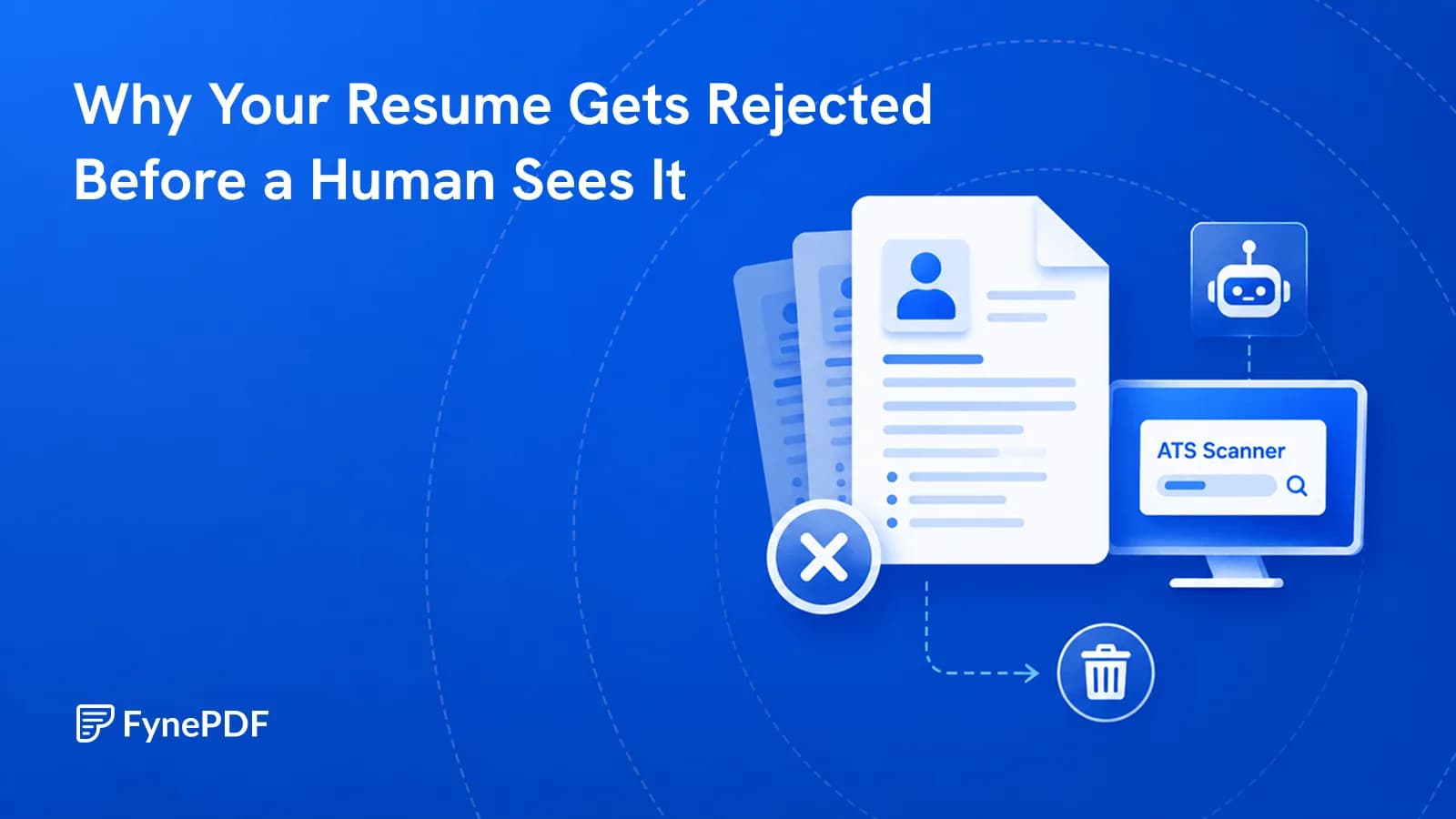
Why Your Resume Gets Rejected Before a Human Sees It
Applicant tracking systems parse your file first. Size, layout, and scans are why it fails.

28 July 2026
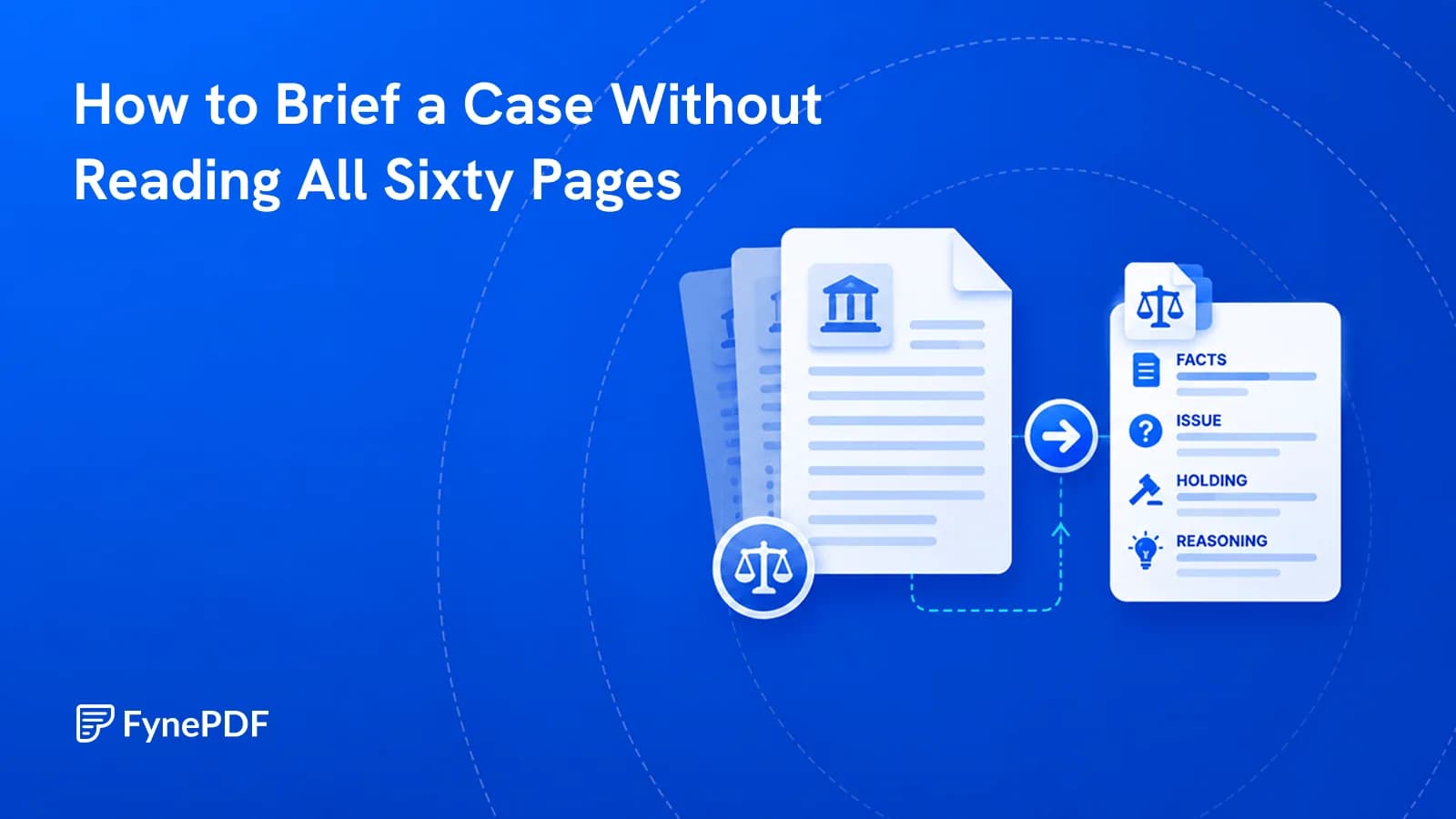
The holding is a few paragraphs buried in sixty pages of procedural history.
A case brief reduces a judgment to its working parts: the facts that mattered, the legal question, the holding, and the reasoning. Most of a long judgment is procedural history and recitation that never appears in a brief, which is why finding the operative paragraphs quickly is most of the work.
Summarising gets you to those paragraphs. Reading them is still your job, and for anything you'll cite that isn't optional.
The conventional structure exists because it captures what a case is actually useful for:
The distinction that trips people is holding versus dicta. A court's observations about matters not necessary to its decision aren't binding, and a summary that treats them as the holding will lead you somewhere wrong.
Free accounts get 10 interactions and files up to 15MB.
More here than in most document work, because the consequences of getting it wrong are professional rather than merely inconvenient.
| Element | Why verify |
|---|---|
| The holding | Frequently confused with dicta |
| Procedural posture | Changes what the decision establishes |
| Majority vs concurrence | Reasoning may come from a non-binding opinion |
| Paragraph and page citations | Must be accurate if you're citing them |
| Anything outside the document | The agent reads only what you upload |
That final row defines the scope. The agent works from the judgment you upload and nothing else, so it can tell you what this document says and cannot tell you what happened to the case afterwards. A judgment reads identically whether it remains good law or was reversed on appeal last year, because the reversal is not in it. Checking current authority through a citator is a separate step, and it cannot be skipped.
The realistic use is triage and orientation. Given twenty cases returned by a search, summaries tell you which five are worth reading properly. Given an unfamiliar area, a summary of the leading case gets you oriented before you read it carefully.
What it does not do is produce work product. A brief you'll rely on in practice, submit to a supervisor, or hand in for assessment needs to come from your own reading. Courts in several jurisdictions have sanctioned filings containing fabricated or mischaracterised citations, and the responsibility sits with the person who signed the document.
Older reported cases are frequently scans, containing images rather than text. Nothing can be summarised until a text layer exists.
Run OCR first, then verify carefully. Recognition errors in case names, citations, dates, and paragraph numbers are exactly the errors that matter most here, and they read as plausible.
It can tell you what the case appears to say. Whether that helps your position depends on facts, jurisdiction, and procedural context that the document alone doesn't supply. That analysis is legal work.
Structure varies considerably between legal systems, and summaries follow the document's own organisation. Verify against the original regardless of jurisdiction.
Process them individually. Comparing across separately generated summaries introduces errors, because each is produced independently and phrasing differences can look like substantive distinctions.
Files transfer over encrypted connections and are permanently deleted within 15 minutes of processing unless you save them to your library.
Upload it to the Case Brief Summarizer, read the holding in the original, and check current authority separately.
Try it yourself
Applicant tracking systems parse your file first. Size, layout, and scans are why it fails.
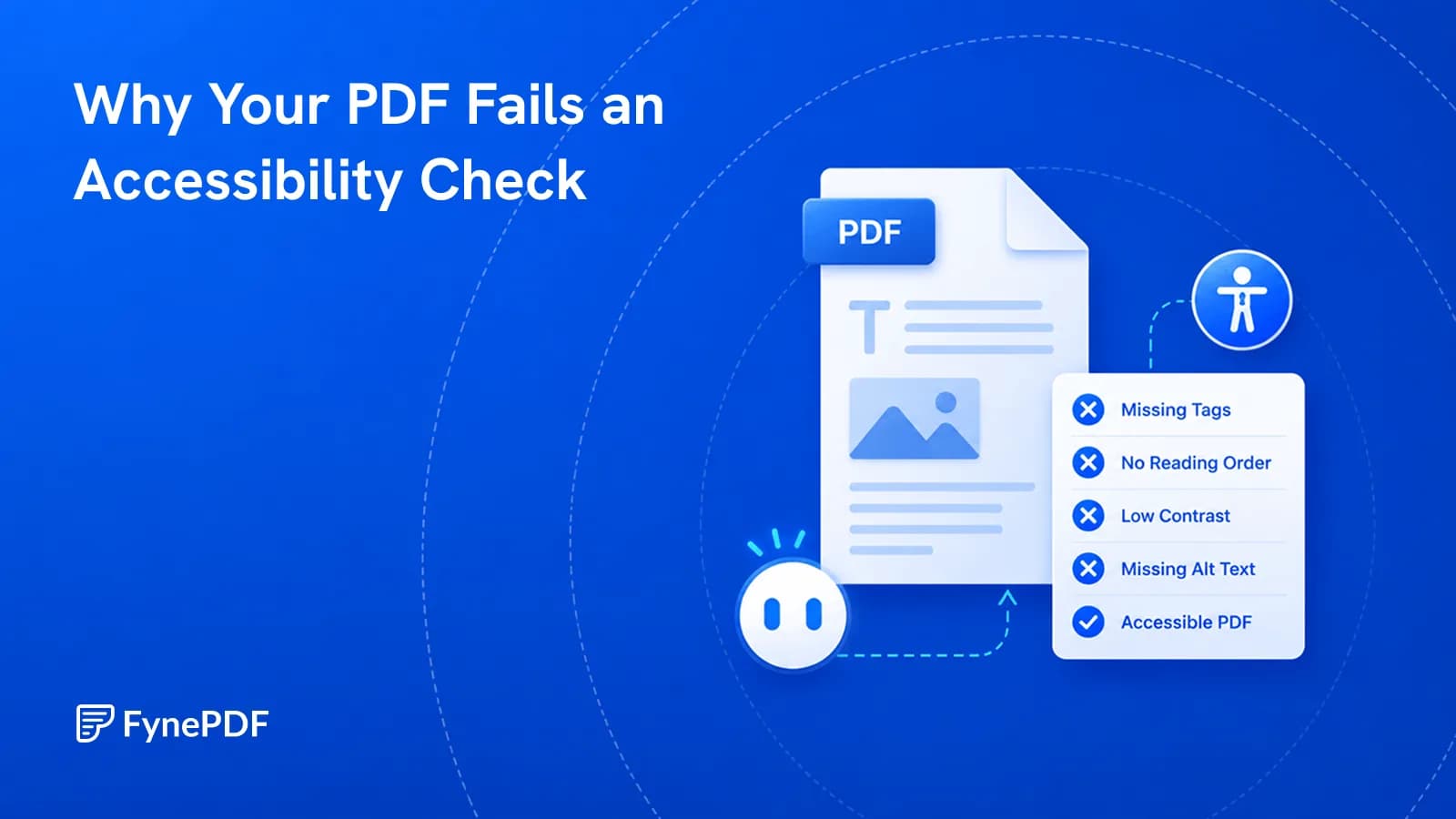
A PDF that looks fine can be unreadable with a screen reader. Here's what's missing.
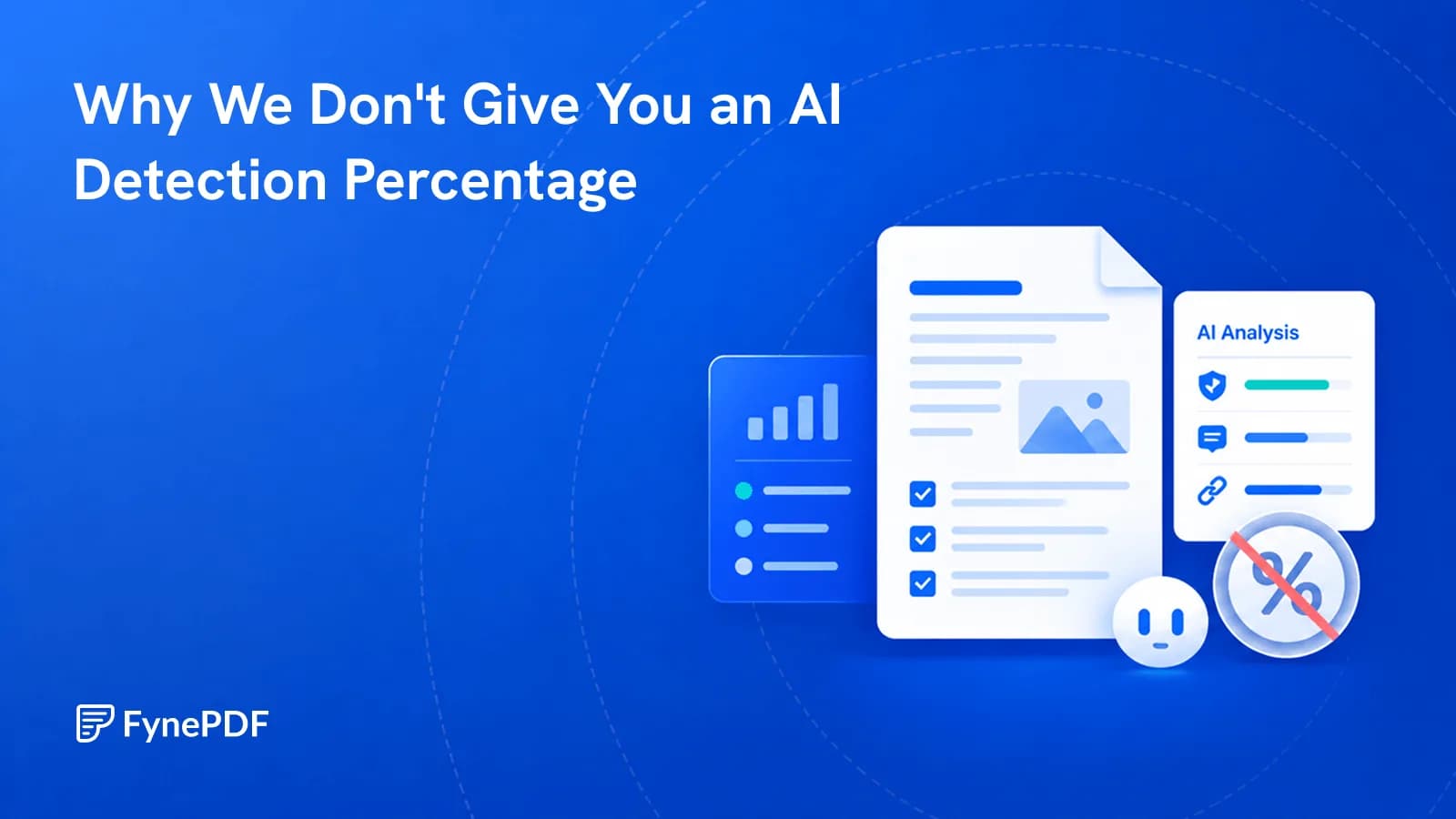
Percentages get treated as proof and used against people. We tell you what we found instead.